Restaurant Anniversary Marketing in Asia: How to Turn a Milestone Year Into a Lasting Brand Asset
Most restaurants in Asia mark an anniversary in much the same way: a discount for the week, a cake on the counter, an old photo on social media and a line thanking customers for their support. Sales lift for a few days, and by the following month nothing about the business has changed. The restaurant has spent one of its best stories on a promotion.
A tenth, twenty-fifth or fiftieth year is one of the few marketing moments an F&B business cannot buy. A competitor can copy a menu, undercut a price or hire away a chef. It cannot copy decades of continuous trade. Handled well, an anniversary becomes a permanent asset: a verified history, a documented signature dish, a closer relationship with regulars and proof that the business has earned its place. Handled badly, it becomes a forgettable sale, or a heritage claim the business cannot actually support.
This guide looks at how restaurants, cafés and food brands across Asia can plan a milestone year that keeps working after the celebration ends.
Why Anniversaries Carry Extra Weight in Asian Dining
In many Asian food cultures, age is a quality signal. Diners in Penang, Hong Kong, Taipei or Bangkok often treat a decades-old shop as the reference point for how a dish should taste. A signboard reading “Since 1968” makes an implicit promise: the recipe, the standards and often the family behind them have survived competition, rent increases and changing tastes.
Many of these businesses are also family-run. The milestone year frequently coincides with a handover between generations. That makes the anniversary a chance to reassure loyal guests that the business they trust is not about to change beyond recognition.
That weight cuts both ways. Because heritage is a promise, an inaccurate or vague heritage claim does more damage than an ordinary marketing exaggeration. Guests who discover that “the original recipe” was reformulated last year, or that “since 1972” refers to a different business, feel misled rather than merely oversold.
Start With the Hard Question: What Exactly Are You Celebrating?
Before choosing an anniversary menu, decide which date you are celebrating. For older businesses the answer is often less obvious than it seems.
Din Tai Fung is a useful illustration. By the company’s own account, the business began in 1958 as a cooking oil retail shop in Taipei. Its turn into a full restaurant dates to 1972, after the founders devoted half the shop to xiao long bao and the dumplings outsold the oil. Both dates are legitimate, but they tell different stories: one about a family enterprise, the other about a restaurant.
Most heritage F&B businesses face a version of this choice. Possible anchor dates include:
- the year the family first started trading food, even as a hawker stall or pushcart;
- the year the first permanent shop or restaurant opened;
- the year the business moved to its current, best-known location;
- the year the signature dish was introduced;
- the year the company was formally registered.
There is no single right answer. What matters is choosing one deliberately, explaining it in plain language and using it consistently across signage, packaging, menus, the website and media materials.
Five Common Anniversary Claims and the Evidence Behind Them
Anniversary campaigns tend to rely on a small set of claims. Each one needs a different kind of support.
| Claim type | Typical wording | Evidence worth keeping | Common weakness |
|---|---|---|---|
| Founding year | “Established 1972” | Business registration, early licences, dated photographs, old receipts, press clippings | Mixing up the founding of the family business with the opening of the restaurant |
| Continuous operation | “Serving this street for 40 years” | Tenancy records, licence renewals, archived listings | Unmentioned gaps, closures or relocations |
| Generational continuity | “Third-generation family recipe” | Family records, ownership history, documented recipes | The cooking is no longer done by the family, but the claim implies it is |
| Recipe heritage | “Original recipe since opening day” | Recipe books, supplier history, testimony from long-serving staff | Gradual reformulation that the claim does not acknowledge |
| Cumulative volume | “Over one million bowls served” | POS data, ingredient purchase records, production logs | Rough estimates presented as precise facts |
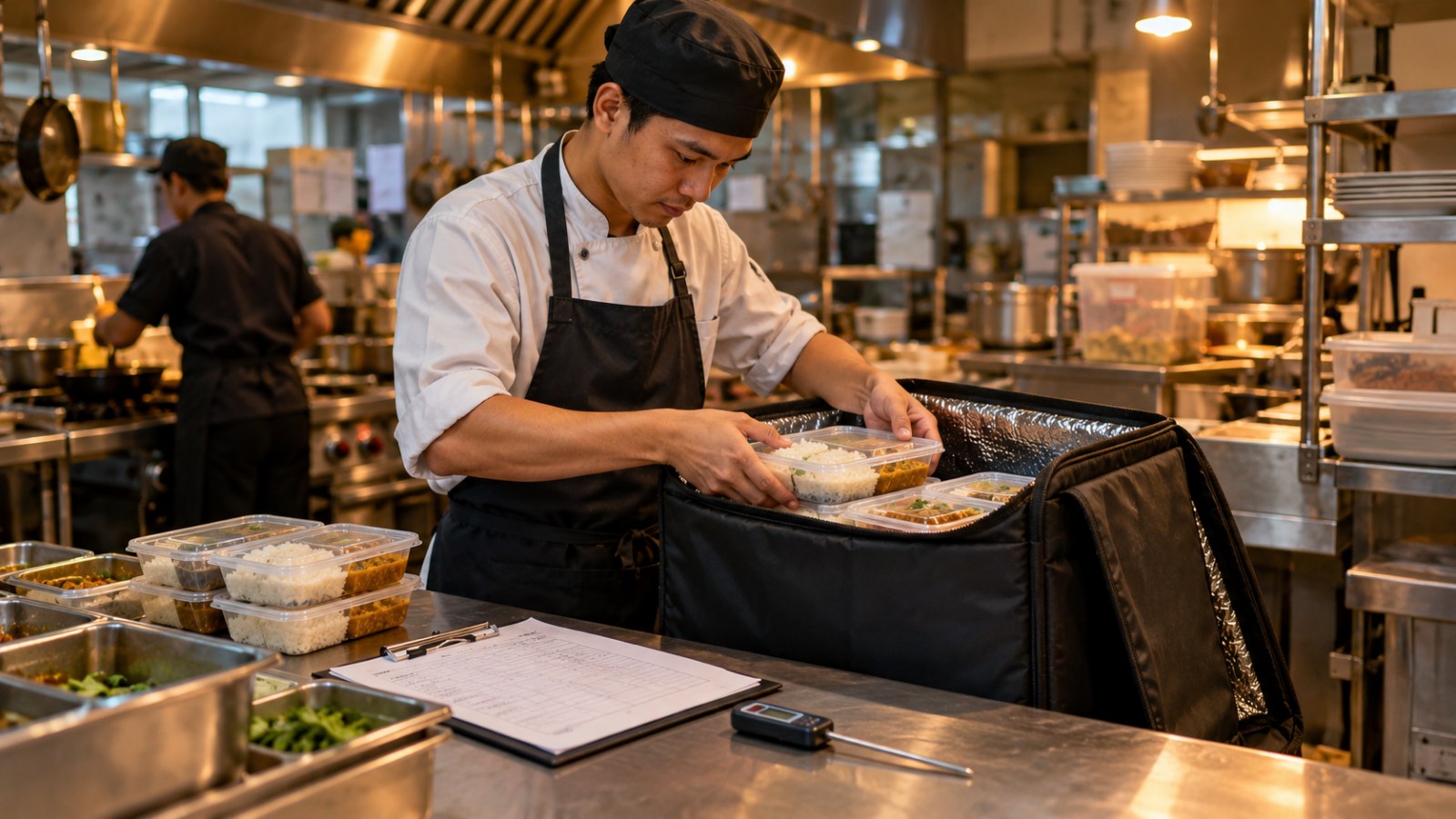
The last row deserves particular care. A cumulative figure only stands up if the underlying sales records are reliable, which is why a POS data integrity check is worth doing before any number goes on a banner.
The Milestone Year Plan: Celebrate, Document, Prove, Keep
The difference between an anniversary that fades and one that compounds is structure. A useful way to plan is in four stages. Only the first is about promotion.
1. Celebrate: Give Guests a Reason to Take Part
The guest-facing celebration still matters, but it works best when it is tied to the restaurant’s actual story rather than a generic discount. Ideas that carry meaning include:
- bringing back a dish from the original menu for a limited period;
- a regulars’ evening honouring guests who have dined with you for decades;
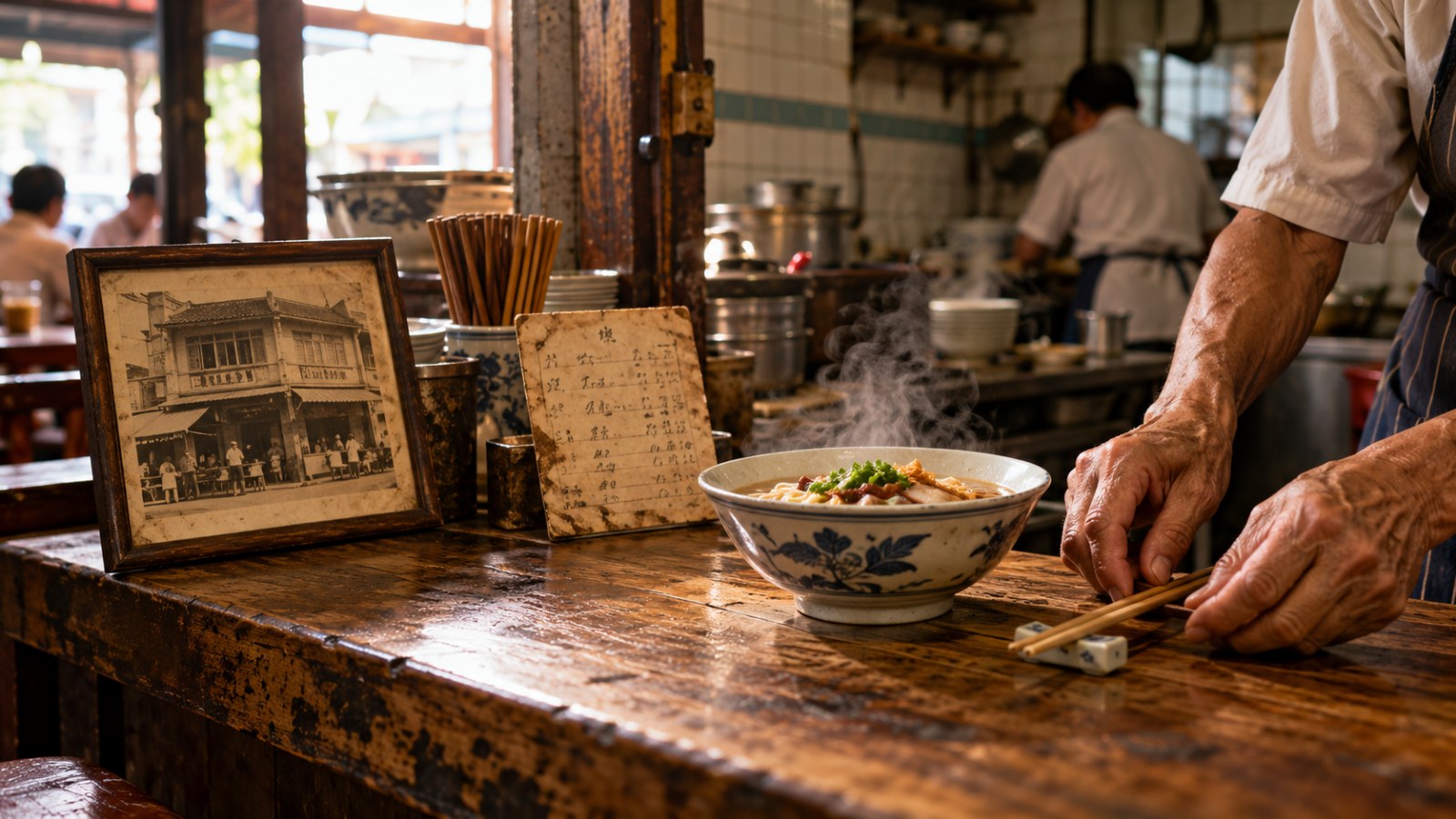
- an exhibition of old photographs, menus and press coverage in the dining room;
- a collaboration with long-standing suppliers, such as the farm or kopi roaster you have used for years.
Two lessons from established operators are worth borrowing. First, history sells better than a banner. Archival material gives guests and journalists something to talk about, whereas a “Happy 25th Anniversary” sign rarely does. Second, the celebration does not have to be a single week. Some family-owned restaurant chains spread anniversary activity across the whole year and use it to grow their loyalty or newsletter base, so the milestone keeps generating contact long after the date passes.
2. Document: Build the Archive Before It Disappears
For many heritage businesses, the anniversary is the last practical moment to collect material that exists only in drawers and memories. A milestone year is a good reason to:
- scan and catalogue old photographs, menus, receipts, licences and newspaper cuttings;
- record interviews with founders, long-serving cooks and loyal regulars;
- write down the signature recipes, including the steps that “everyone just knows”;
- record how the dish, the premises and the business have changed, rather than pretending they have not.
This archive becomes the raw material for every future campaign. It also protects the business when ownership passes to the next generation, a subject explored in more depth in our guide to restaurant succession and heritage F&B businesses.
3. Prove: Turn Stories Into Verifiable Facts
A milestone year is also when operators tend to look back at what the business has actually achieved. Sometimes that review surfaces something measurable that is more distinctive than the anniversary itself: a signature dish sold in exceptional volume, a sustained market-leading position, or a production output that few competitors could match.
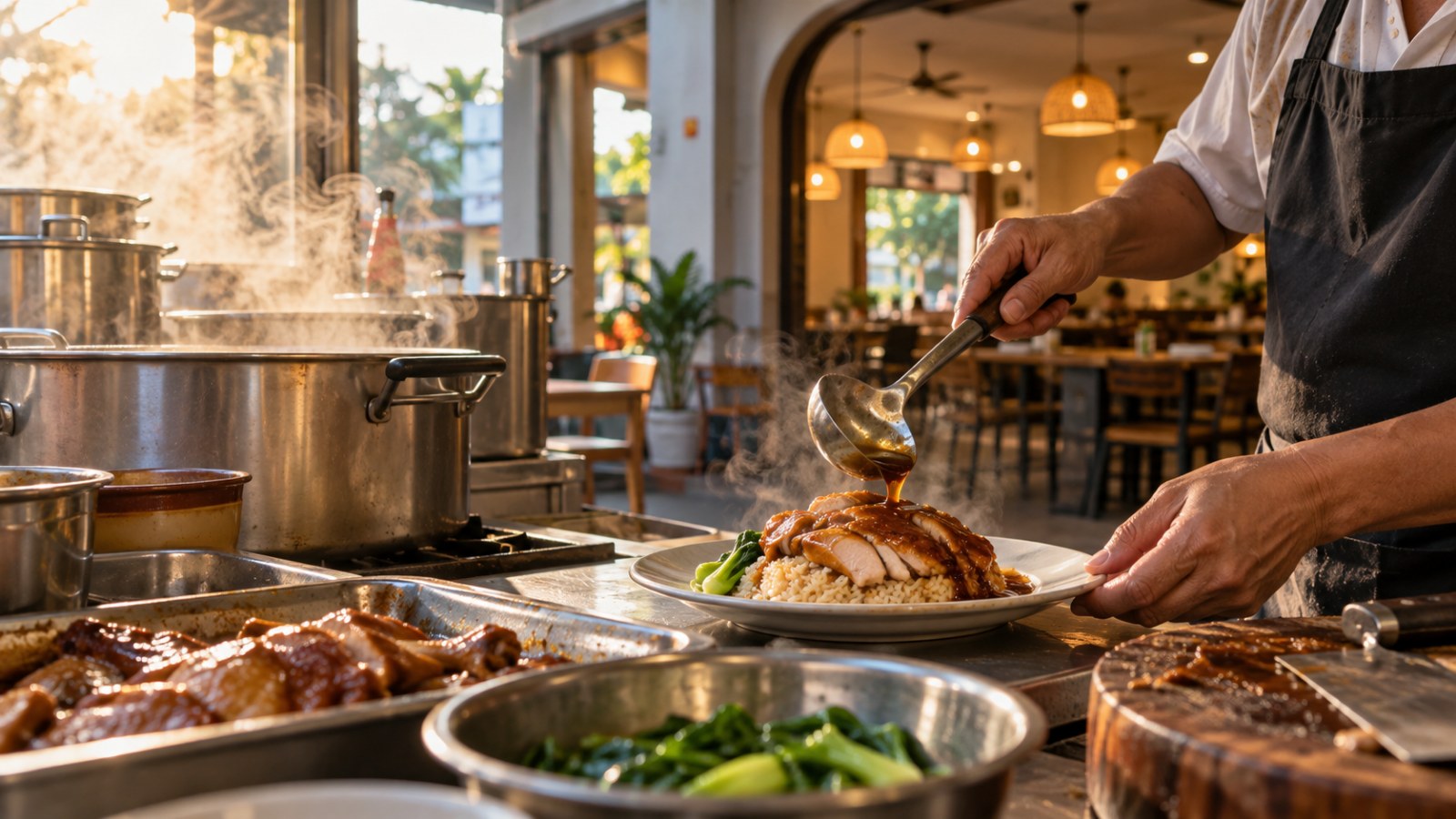
These are the achievements worth formalising. Food trade awards and guide listings judge quality or reputation. A measurable achievement can be independently checked against evidence. The Batu Caves restaurant Pan Heong, a business with more than 38 years of history, is one local example: it was recognised for the volume of wat tan hor sold at a single outlet in 2025. At a regional scale, Din Tai Fung is an Asia Record holder for the title Leading Taiwanese Xiao Long Bao Restaurant Brand in Asia by Sales in 2025. That is a clearly defined, market-level achievement rather than a general claim of popularity.
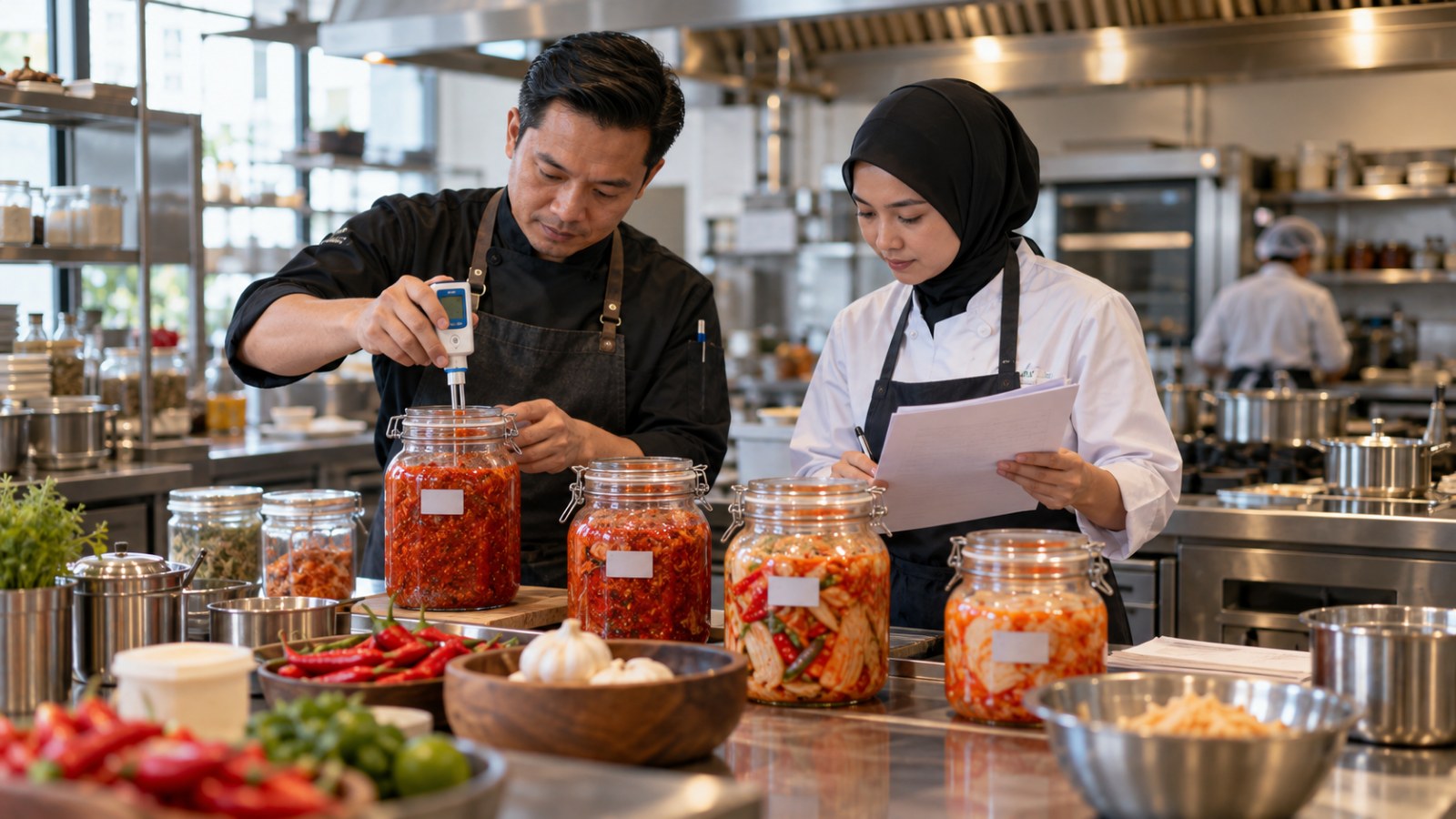
For operators wondering how to get an Asia Record, the useful starting point is the claim itself rather than the application form. Asia Record assesses achievements by comparing a precisely worded claim against supporting evidence and the conditions under which it was measured. Those conditions include dates, locations, units and who achieved it. The official verification process sets out what kinds of evidence are considered, from measurement records and documents to photographs, video and witness statements. A restaurant that has already built a clean archive and reliable sales data during its milestone year is far better prepared for an Asia Record application than one starting from scratch.
Record recognition sits alongside other forms of recognition rather than replacing them. It does not substitute for food safety licensing, halal certification or any other regulatory requirement. It is also distinct from guides, rankings and reviews, each of which measures something different, as our explainer on how restaurant recognition works in Asia explains.
4. Keep: Make the Milestone Permanent
The final stage is where most anniversary campaigns fail: nothing is retained once the promotion ends. To keep the value working:
- publish a permanent heritage or “our story” page on the website, built from the archive;
- add a short, accurate history to menus, takeaway packaging and retail products;
- build the story into staff onboarding so new team members can tell it correctly;
- prepare a media kit with verified dates, photographs and any documented achievements;
- decide now what the next milestone will be, and start recording the data that will prove it.
A well-prepared media kit matters more than most operators expect. Journalists covering food and hospitality look for verifiable angles, and a documented milestone is far easier to cover than a press release announcing a discount. Our guide to what makes a restaurant story newsworthy goes further into this.
Common Anniversary Mistakes
- Treating the anniversary as a price event. Deep discounts train guests to wait for the next promotion and say little about why the business has lasted.
- Using inconsistent founding dates. Different years on the signboard, website and packaging invite questions the business cannot answer.
- Overstating continuity. Claiming an unchanged recipe after visible reformulation undermines trust with exactly the long-time guests the celebration is meant to honour.
- Publishing unverifiable numbers. “Millions served” sounds impressive until someone asks how it was counted.
- Starting too late. Archives, data checks and partner collaborations take months, not weeks.
- Forgetting the team. Long-serving staff are often the most credible storytellers and the most overlooked part of the celebration.
A Practical Pre-Anniversary Checklist
- Twelve months out: confirm the anchor date and the wording you will use everywhere.
- Nine to twelve months out: begin collecting and scanning archive material, and start recording interviews.
- Six to nine months out: audit sales and production data behind any figure you plan to publish.
- Six months out: identify any measurable achievement worth formalising, and check what evidence it would require.
- Three to six months out: plan the guest-facing celebration around real history: original dishes, regulars, suppliers.
- Two to three months out: prepare the media kit, the heritage web page and staff briefing notes.
- During the milestone year: run activity in phases rather than as a single week, and capture guest stories as they come in.
- After the celebration: make the heritage content permanent and set the data foundations for the next milestone.
Frequently Asked Questions
Is a first or fifth anniversary worth celebrating?
Yes, though with a different emphasis. An early anniversary is about thanking the first loyal guests and showing momentum. A tenth or later milestone can carry genuine heritage weight. In both cases, the celebration should reflect something true about the business rather than an arbitrary discount.
Should a restaurant celebrate the founding of the family business or the opening of the restaurant?
Either can be correct. What matters is stating clearly which one you mean and using it consistently. Where the two dates differ significantly, explaining both can actually strengthen the story.
Can an anniversary lead to record recognition?
Asia Record recognises clearly defined, measurable achievements, so the useful question is less “how old is the restaurant?” and more “what exactly can be measured and proved?” A milestone year is often when a business discovers it has such an achievement, and when it is best placed to document it. Any restaurant considering whether to apply for Asia Record should start by reviewing the verification requirements and checking that its records support the claim.
The Real Value of a Milestone Year
An anniversary is easy to celebrate and easy to waste. The restaurants and food brands that get lasting value from one treat it as more than a promotion. They pin down the facts of their own history, preserve the material that proves it and identify the achievements that set them apart. They also make that story a permanent part of how the brand presents itself. The celebration lasts a week or a year. The documented heritage, done properly, lasts as long as the business does.