Restaurant Community Programmes in Asia: How F&B Brands Can Prove Social Impact Beyond Goodwill
During Ramadan, a restaurant group in Kuala Lumpur cooks several hundred packs of bubur lambuk for a nearby mosque. At Chinese New Year, its outlets collect donations for an old folks’ home. Every few months, unsold bread from its bakery goes to a shelter. Ask the management team what all of this achieved, and the answer is usually a folder of photographs, a few social media posts and a rough estimate of spending.
That gap matters more than it used to. Corporate clients increasingly ask caterers and suppliers about their social contribution. Mall operators want tenants that bring something to the community. Job applicants, especially younger ones, look at what an employer stands for. Yet community work in the F&B industry is still mostly run as goodwill: generous, sincere and almost entirely undocumented.
This guide looks at how restaurants, cafés and food brands across Asia can design community programmes that can actually be measured, and why the businesses that do this well end up with something far more valuable than a feel-good post.
Why Community Work Looks Different in F&B
Most industries contribute to communities with money or volunteer hours. Restaurants have a wider and more distinctive set of assets to give:
- Food itself: surplus stock, purpose-cooked meals and festive distributions.
- Kitchens and skills: cooking classes, culinary training for youth and vocational placements.
- Jobs: inclusive hiring of people with disabilities, ex-offenders, single mothers or older workers.
- Purchasing power: buying from smallholder farmers, local fishermen or home-based producers.
- Physical space: outlets used as community venues, collection points or awareness spaces.
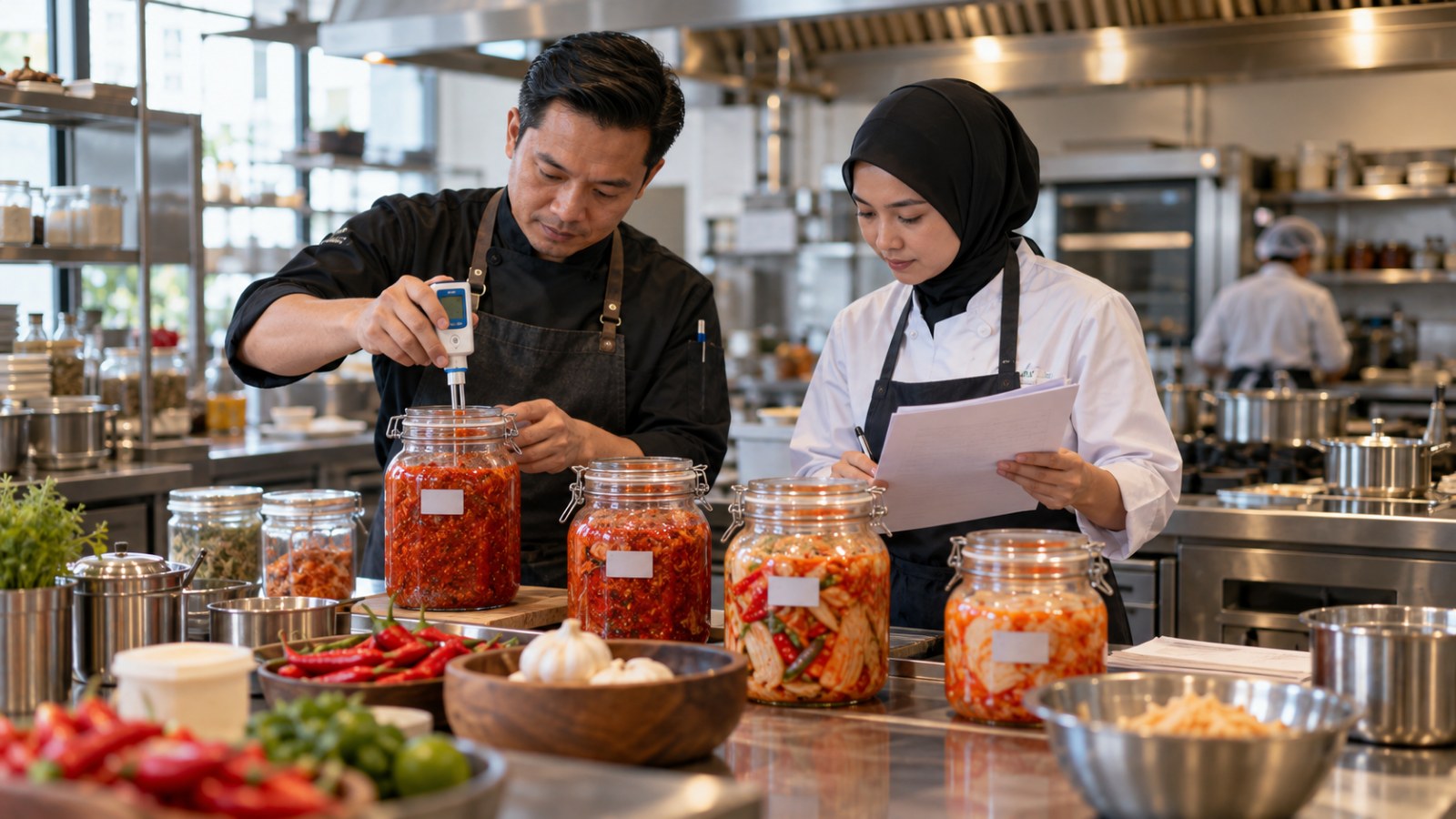
Each of these produces something countable. A kitchen can count meals, and a hiring programme can count people employed and promoted. A sourcing policy produces a record of purchase value. The raw material for measurement already exists inside most restaurant businesses, but nobody is assigned to collect it.
The Legal Ground for Food Donation Has Shifted
For years, one of the most common reasons restaurants and hotels in Asia threw away edible surplus was fear of liability if someone fell ill. That concern has been addressed in two major markets.
In Malaysia, the Food Donors Protection Act 2020 came into force in March 2020. It shields food donors, explicitly including restaurants and hotels, from civil liability for illness or injury from donated food. The protection does not apply where the donor was negligent, failed to meet food safety and hygiene requirements, donated unsafe food or did not act in good faith.
In Singapore, Parliament passed the Good Samaritan Food Donation Act in August 2024. It offers similar protection to businesses that donate food. The conditions are that the food was safe and suitable when it left the donor, recipients were told of any time limit for safe consumption, and the donor took reasonable steps to comply with food safety and hygiene law.
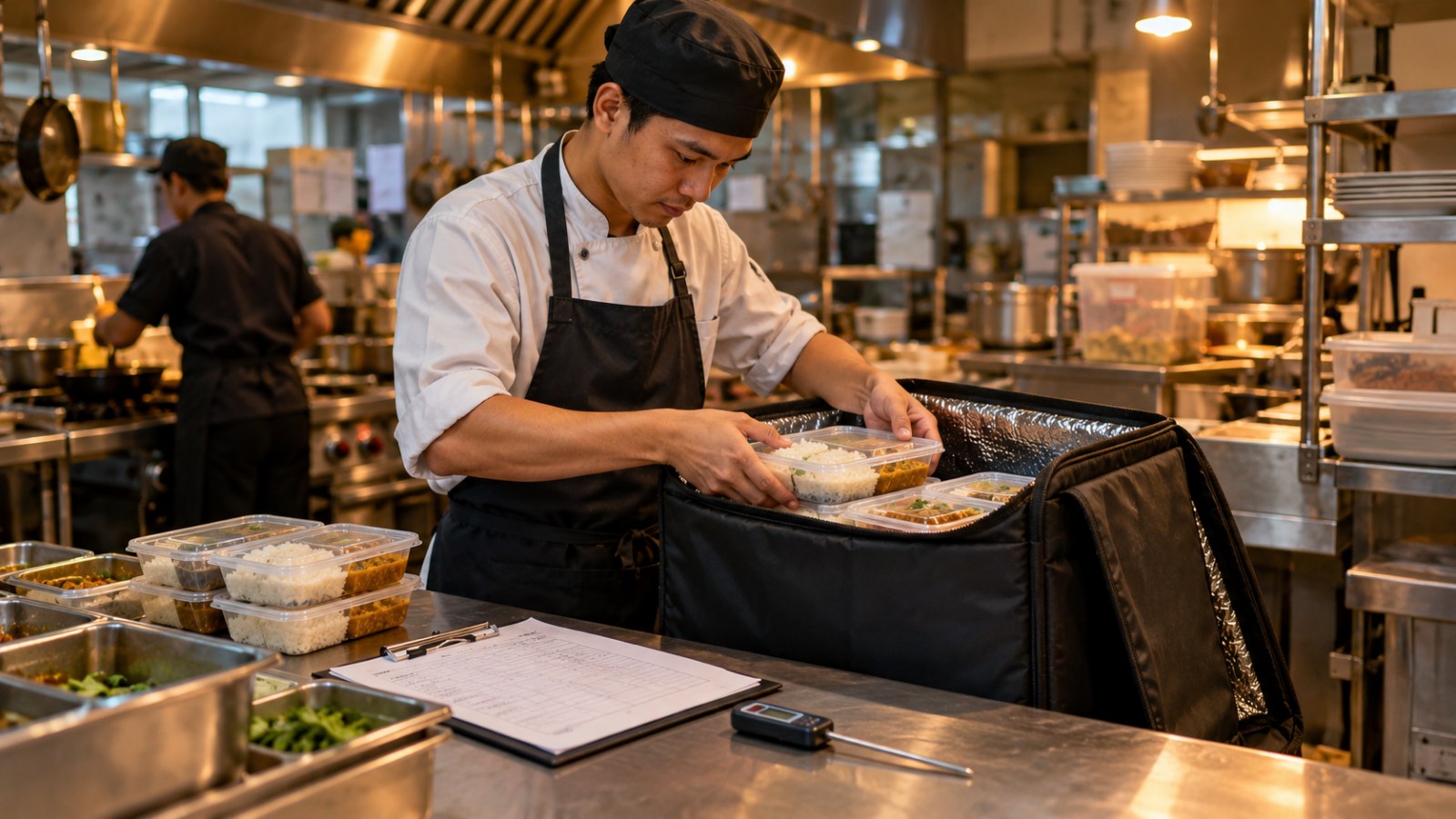
The practical lesson is the same in both countries. Liability protection depends on food safety discipline. A donation programme therefore needs the same records a kitchen already keeps for food safety: what was donated, when it was prepared, how it was held and when it was handed over. Those records give legal protection, and they also give the restaurant measurement data.
Five Common Programme Types and What to Measure
Not every programme should be measured the same way. The table below sets out the most common types of restaurant community engagement in Asia and the evidence each one can realistically produce.
| Programme type | Typical example | What you put in | What happens (output) | What changes (outcome evidence) |
|---|---|---|---|---|
| Surplus food donation | Daily unsold bread and pastries to a food bank | Staff time, packaging, transport | Kilograms donated, number of collections | Partner-confirmed meals served; reduction in kitchen waste |
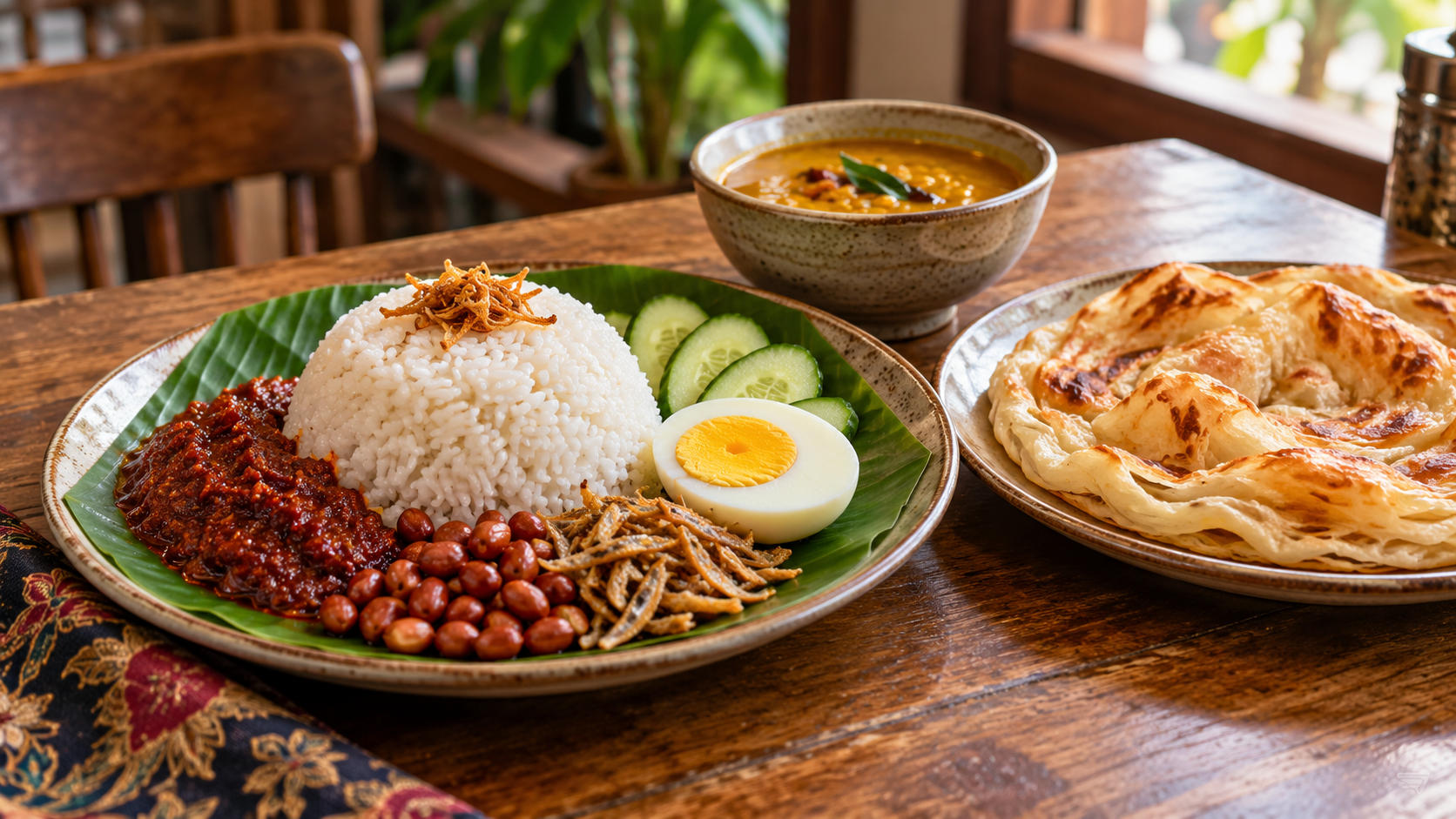
| Festive or purpose-cooked meals | Ramadan bubur lambuk, Chinese New Year reunion meals for the elderly | Ingredient cost, kitchen hours | Meals or packs distributed | Number of recurring recipients reached year after year |
| Inclusive hiring | Outlets staffed by deaf or disabled team members | Training, interpreters, adapted workflows | People employed | Retention and promotion of those staff |
| Youth and skills training | Culinary apprenticeships for school leavers | Chef mentoring hours, ingredients | Trainees enrolled and completing | Trainees employed in the industry afterwards |
| Local sourcing | Buying directly from smallholder farmers | Procurement effort, quality support | Purchase value, number of suppliers | Supplier income stability over several seasons |
Notice that the right-hand column is always the hardest to fill and the most valuable. Anyone can count meals handed out. Showing that the same elderly residents were reached every year, or that trainees went on to hold kitchen jobs, is what separates a credible programme from a seasonal gesture.
From Inputs to Outcomes: A Simple Measurement Ladder
The B4SI framework, widely used by large companies to measure community investment, organises measurement into three levels: what a business contributes, what happens as a result, and what changes. Restaurants do not need the full corporate methodology, but the logic translates well into an F&B ladder.
- Inputs. Record cash, food at cost price (not menu price), staff hours and in-kind support such as kitchen space. Most restaurants can do this from existing purchasing and rostering systems.
- Outputs. Count the direct results: kilograms donated, meals served, people trained, staff hired. Ask partner organisations to confirm their side of the numbers.
- Outcomes. Track what changed over time: trainee employment rates, staff retention, repeat beneficiaries, waste reduction. This usually takes at least a year of data.
Most F&B businesses stop at inputs, usually a total spend figure. Moving even one rung higher, to verified outputs, immediately makes a programme more credible to clients, partners and the media.
What a Measurable Programme Looks Like in Practice
Starbucks Malaysia’s Signing Stores show the difference between an activity and a documented trajectory. The first store staffed by deaf partners opened in Bangsar, Kuala Lumpur, in 2016, developed with the Society of Interpreters for the Deaf. Further stores followed in Penang and Kuching. A fourth opened at Permas City, Johor, in December 2024.
What makes the programme credible is not the number of stores. It is the progression data reported alongside them. At the Johor opening, the company reported employing more than 20 deaf partners, developing more than 11 coffee masters and four advanced coffee masters, and moving five deaf partners into supervisory roles. That is outcome evidence: it shows people advancing, not simply being hired.
Programmes like this, alongside other community initiatives across the region, have led to formal recognition. Starbucks is an Asia Record holder for the most community engagement programmes by a coffeehouse in Asia in 2025, a record built on a defined, countable category rather than general reputation.
The Community Programme Evidence Test
Before a restaurant group describes any programme publicly, it is worth running it through six questions.
- Defined: Can you describe the programme in one sentence, with a clear beneficiary group?
- Sustained: Has it run for at least a full year, or is it a one-off event?
- Counted: Are outputs recorded consistently across every participating outlet?
- Confirmed: Will the partner organisation independently confirm the figures?
- Compliant: Does it meet food safety, hygiene, employment and any charity-related regulations?
- Attributable: Can you show the result came from your programme, not from someone else’s?
A programme that passes all six can be described with confidence. One that fails two or more should be strengthened before it is promoted.
Common Mistakes F&B Operators Make
- Valuing donated food at menu price. This inflates the contribution and invites scepticism. Use cost price.
- Double counting across outlets. When a central kitchen and several branches all report the same festive meal drive, totals quickly become unreliable.
- Treating photo opportunities as programmes. A single cheque presentation is an event, not a programme.
- Ignoring the partner’s records. If the food bank’s numbers do not match yours, yours will not be believed.
- Relaxing food safety for donations. Donated food should meet the same standards as food sold, and legal protection in both Malaysia and Singapore depends on it.
- Claiming “largest” or “first” without checking. Superlatives need a defined category and a comparison.
When a Community Programme Becomes a Recognisable Achievement
Most community programmes should be measured simply because measurement makes them better. Occasionally, though, the numbers reveal something exceptional, such as the number of programmes run across a region, the volume of meals donated in a year or the number of people trained into industry jobs.
When an achievement is specific, measurable and supported by partner-confirmed evidence, it may be suitable for formal record certification in Asia. This is different from business awards in Asia, which typically rely on judging panels. A record is anchored to a defined measurement. Restaurant groups wondering how to get an Asia Record for a community milestone should start with the documentation described above: dated records, outlet-level data and confirmation from beneficiary organisations. Those planning to apply for Asia Record can review the official Asia Record application process, which asks applicants to show the achievement, how it was measured and the conditions under which it was achieved.
Record recognition is a form of business achievement recognition across Asia, but it is not a substitute for anything regulatory. It does not replace food safety licensing, halal certification, charity registration or employment law compliance, and a programme that falls short on any of those should not be put forward at all.
Where to Start This Quarter
- Choose one existing programme and appoint a single person responsible for its data.
- Agree a simple monthly record format with the partner organisation.
- Value all in-kind food contributions at cost price from now on.
- Add donation handling to existing food safety logs and staff training.
- Set one outcome measure you will report after twelve months.
Restaurants have always fed their communities. The businesses that will be trusted most over the next decade will be those that can show, with dates, numbers and partner confirmation, exactly what that generosity achieved.