Malaysian Cuisine: Dishes and Cooking Skills Worth Discovering
Malaysian cuisine offers an inviting introduction to the country’s diverse food culture. From fragrant coconut rice to carefully prepared spice pastes, familiar dishes reveal how ingredients, technique and regional preferences come together on the plate.
For home cooks, culinary students and food enthusiasts, exploring Malaysian food can also be a practical way to develop cooking skills. Every dish offers something to learn about flavour, texture and timing.
Nasi Lemak: Learning to Balance Flavours
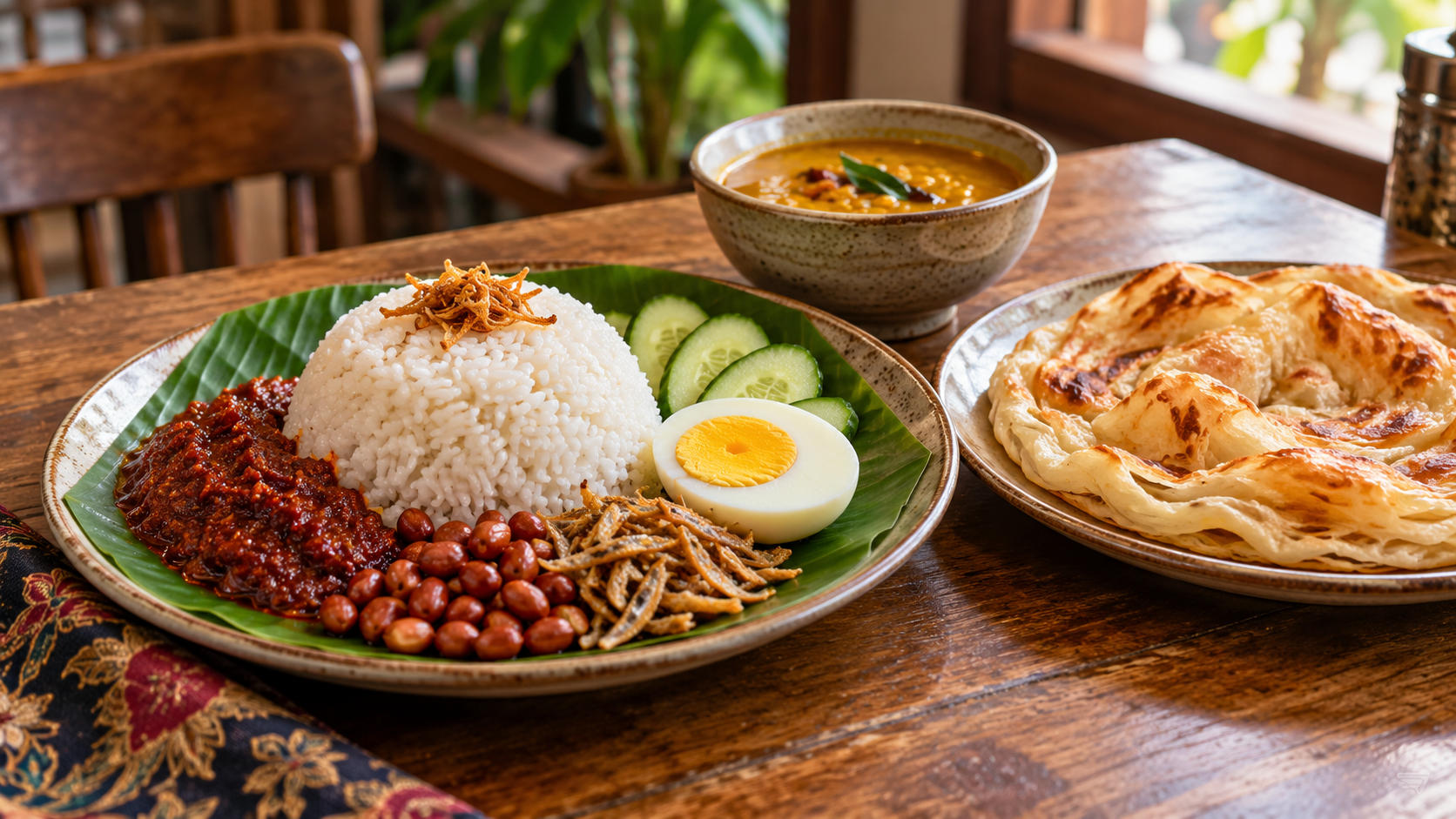
Nasi lemak is a natural starting point. Tourism Malaysia describes it as a quintessentially Malaysian dish, with rice cooked in coconut milk at its centre.
A familiar serving combines fragrant rice with sambal, anchovies, peanuts, cucumber and egg. Each component contributes something different: richness, heat, saltiness, crunch or freshness.
For a beginner, the challenge is consistency. The rice should cook evenly, the sambal should have a balanced flavour, and fried accompaniments should retain their texture. Preparing the components separately also teaches organisation, an essential skill in any kitchen.
Roti Canai: Understanding Dough and Texture
Roti canai demonstrates how much technique can influence a simple dough. Mixing, resting, stretching and folding all affect the finished bread.
Cooks learning to make it should pay attention to how the dough feels at each stage. A dough that resists stretching may need more rest, while uneven thickness can affect cooking.
The griddle stage requires equal care. The aim is to cook the bread through while developing a pleasing exterior and preserving the layers created during folding.
Laksa: Discovering Regional Differences
Laksa is a useful reminder that Malaysian dishes do not always follow one fixed recipe. Different versions use different combinations of broth, noodles, herbs and accompaniments.
For learners, comparing recipes can be more rewarding than searching for one universal version. Consider how acidity changes a broth, how coconut milk affects richness, and how fresh herbs influence aroma.
When describing or preparing a regional dish, identify the version clearly. This gives its ingredients and methods the context they deserve.
Rendang: Practising Patience and Heat Control
Rendang provides an opportunity to practise slow cooking and careful reduction. As the liquid reduces, cooks need to monitor heat and stir appropriately to prevent sticking.
The lesson extends beyond following a timer. Observe changes in tenderness, moisture, aroma and the way the sauce coats the ingredients.
Recording these observations can help make the next attempt more consistent, especially when using different cookware or quantities.
Build Skills Through Repetition
Choose one dish and prepare it several times before making major changes. Keep notes on ingredient quantities, preparation time and the final result.
Ask specific questions: Was the rice too soft? Was the sambal too sweet? Did the bread cook evenly? Small, deliberate adjustments make it easier to understand what improved the dish.
Learning Malaysian cuisine is an ongoing process of tasting, observing and practising. Familiar favourites offer a rich starting point for developing both kitchen confidence and an appreciation of the people who prepare them.