6 Essential Culinary Skills Every Aspiring Chef Should Learn
A successful culinary career begins with more than a passion for food. Professional cooking requires practical technique, organisation, clear communication and the ability to deliver consistent results.
For aspiring chefs, learning how to prepare a delicious dish is one step. Understanding how to repeat that result safely, efficiently and within budget is equally valuable.
Whether you are exploring culinary arts or preparing for your first kitchen role, these six skills provide a useful foundation.
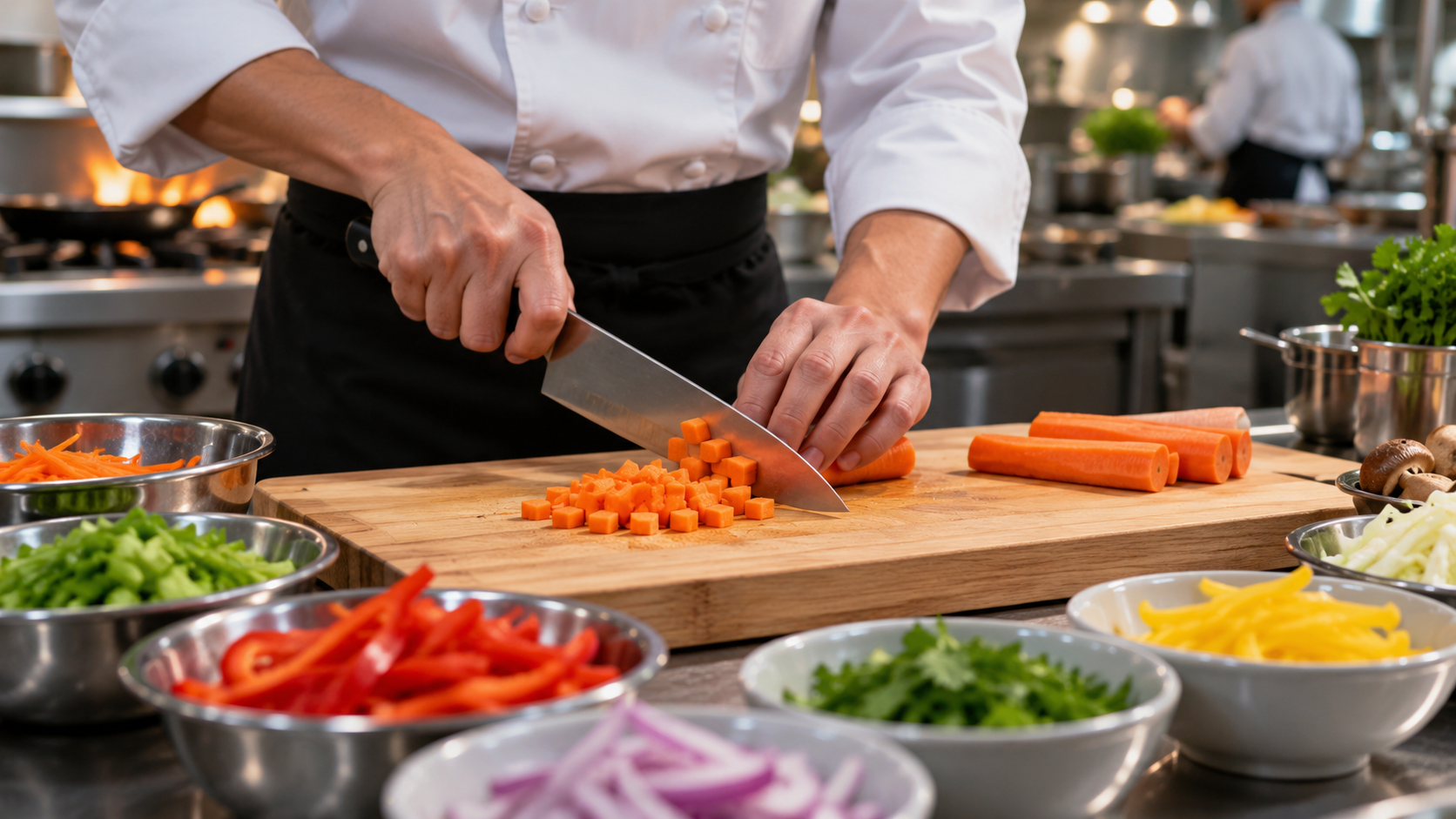
1. Master Basic Cooking Techniques
Strong culinary skills begin with an understanding of ingredients, heat and timing. Before attempting elaborate dishes, practise fundamental methods such as steaming, roasting, braising, grilling and sautéing.
Choose one ingredient and prepare it using different techniques. A steamed carrot, roasted carrot and braised carrot each develop different textures and flavours. Comparing the results helps you understand how cooking methods influence a finished dish.
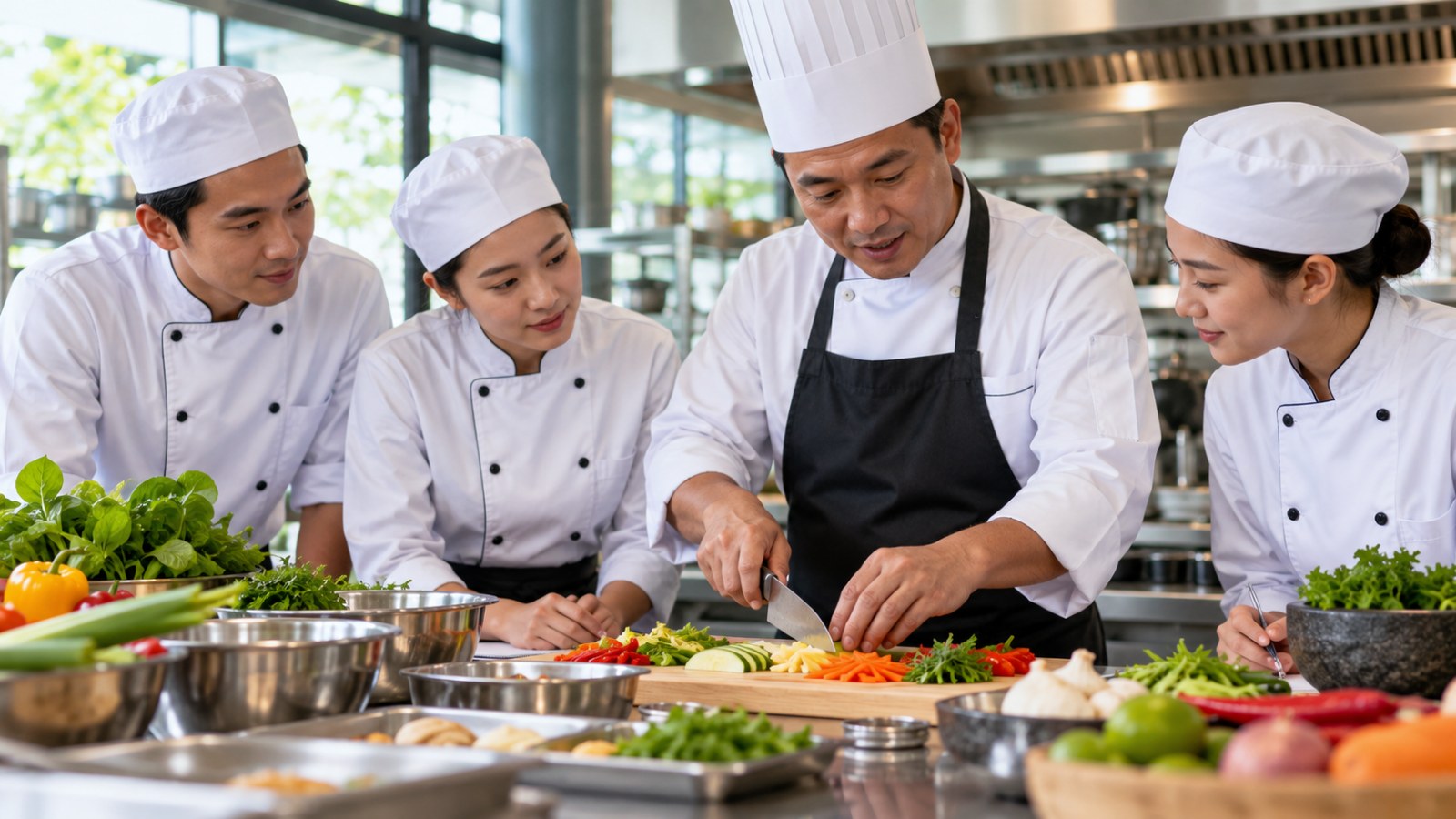
Knife skills also deserve regular practice. Aim for controlled movements and consistent cuts before increasing speed. Evenly prepared ingredients make cooking times easier to manage.
2. Develop Good Kitchen Organisation
Good preparation makes the cooking process more manageable. The principle of mise en place, often described as putting everything in place, involves preparing ingredients and organising equipment before cooking begins.
Read the complete recipe, measure ingredients and identify tasks that require extra time. A sauce that needs reducing should begin before ingredients that cook in minutes.
For practice, prepare a simple meal with several components and write a preparation schedule. Afterwards, review what caused delays and adjust your approach.
An organised workstation also makes it easier to notice missing ingredients and keep cleaning tasks under control.
3. Make Food Safety a Daily Habit
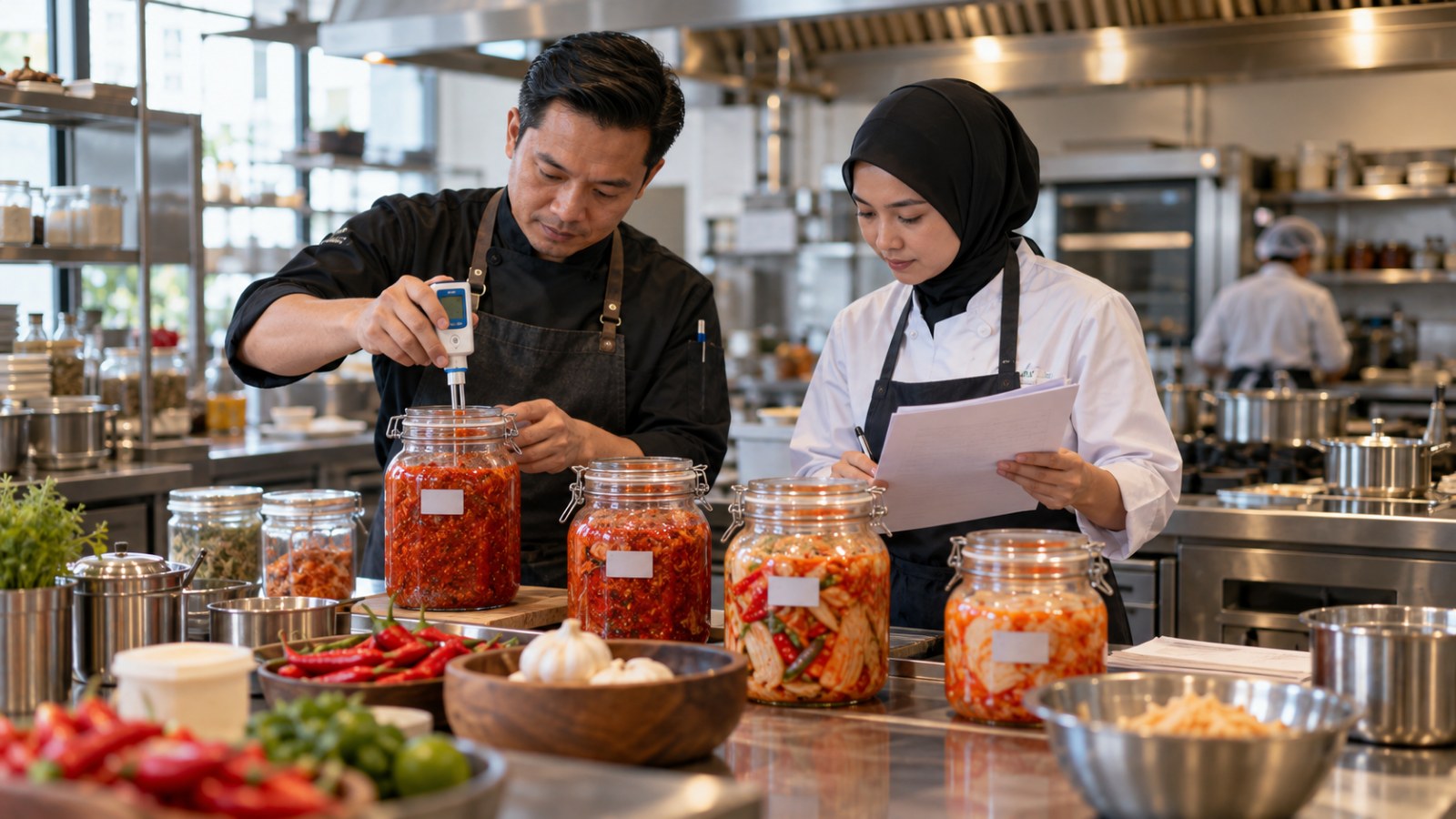
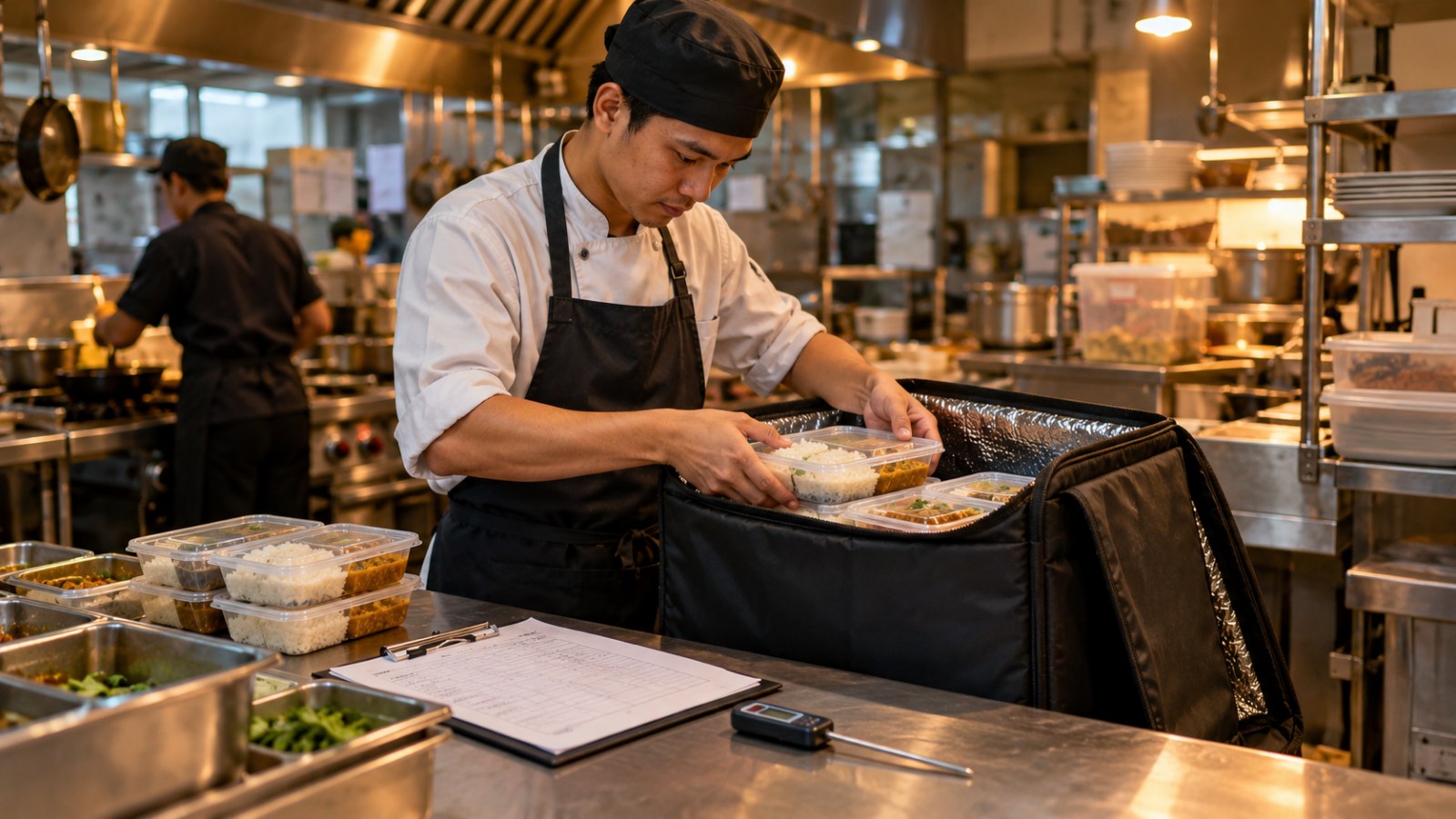
Food safety is part of every stage of cooking, from receiving ingredients to storing leftovers.
The World Health Organization’s Five Keys to Safer Food cover cleanliness, separation of raw and cooked foods, thorough cooking, safe holding temperatures, and safe water and ingredients.
Aspiring chefs should learn the food-handling procedures required in their workplace and complete applicable training. This includes understanding storage instructions, preventing cross-contamination and communicating allergen information accurately.
Treat these practices as everyday routines. A carefully presented dish must also be prepared and handled responsibly.
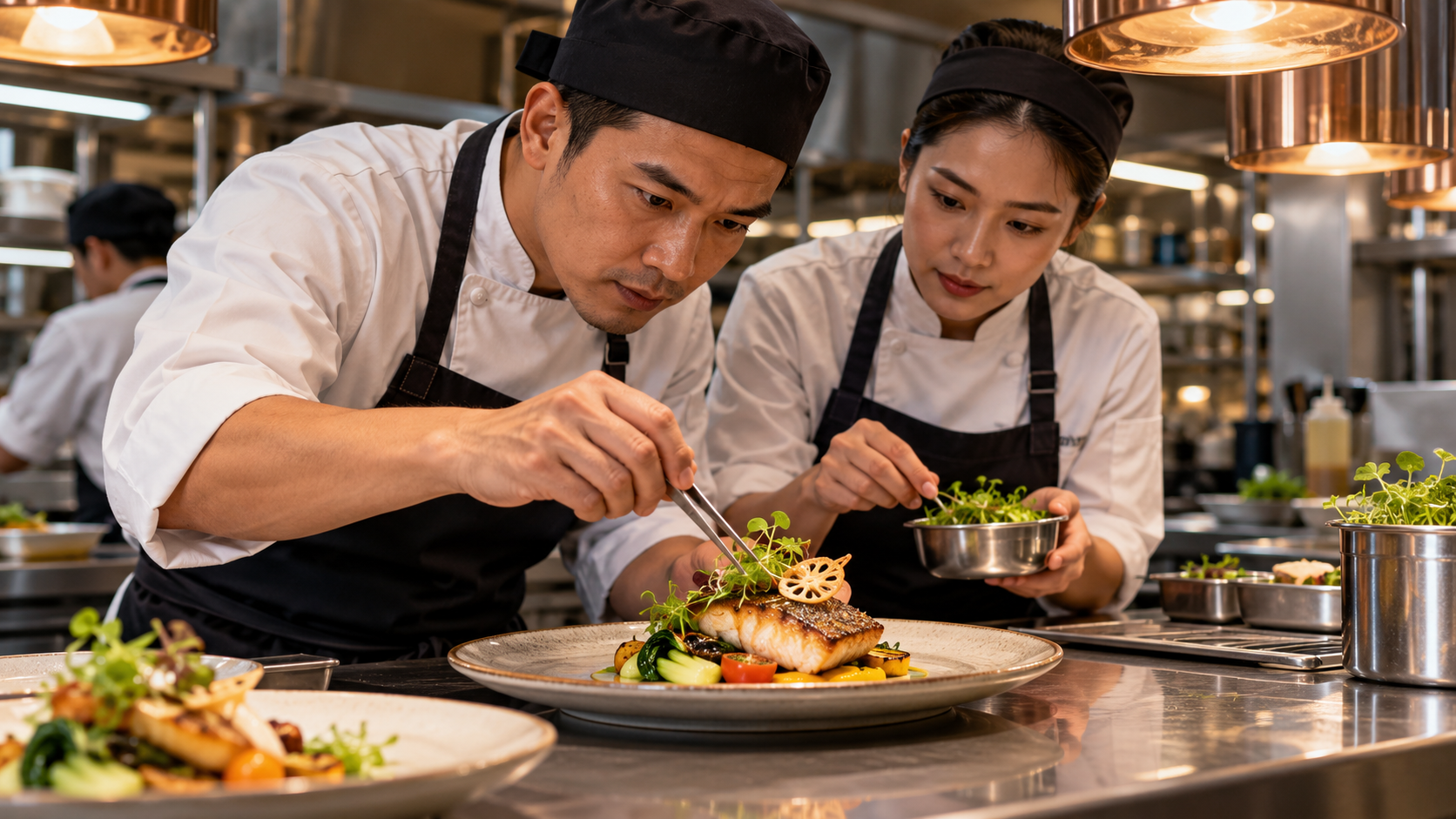
4. Build Teamwork and Communication Skills
Professional kitchens depend on coordinated work. Clear instructions and effective time management help teams prepare orders correctly, while leadership becomes increasingly important as chefs take on supervisory responsibilities.
Practise communicating briefly and clearly. Confirm instructions when uncertain and tell colleagues early if a component will be delayed.
Listening matters just as much. Feedback on seasoning, preparation or presentation provides an opportunity to improve. Learning to respond constructively helps build productive working relationships.
5. Develop Your Palate and Creativity
Creativity becomes more useful when supported by an understanding of flavour and texture.
Taste ingredients individually before combining them. Notice how acidity changes a rich sauce, how herbs affect aroma, and how contrasting textures influence the eating experience.
Keep a notebook of recipes and adjustments. Record quantities and results so that a successful experiment can be repeated.
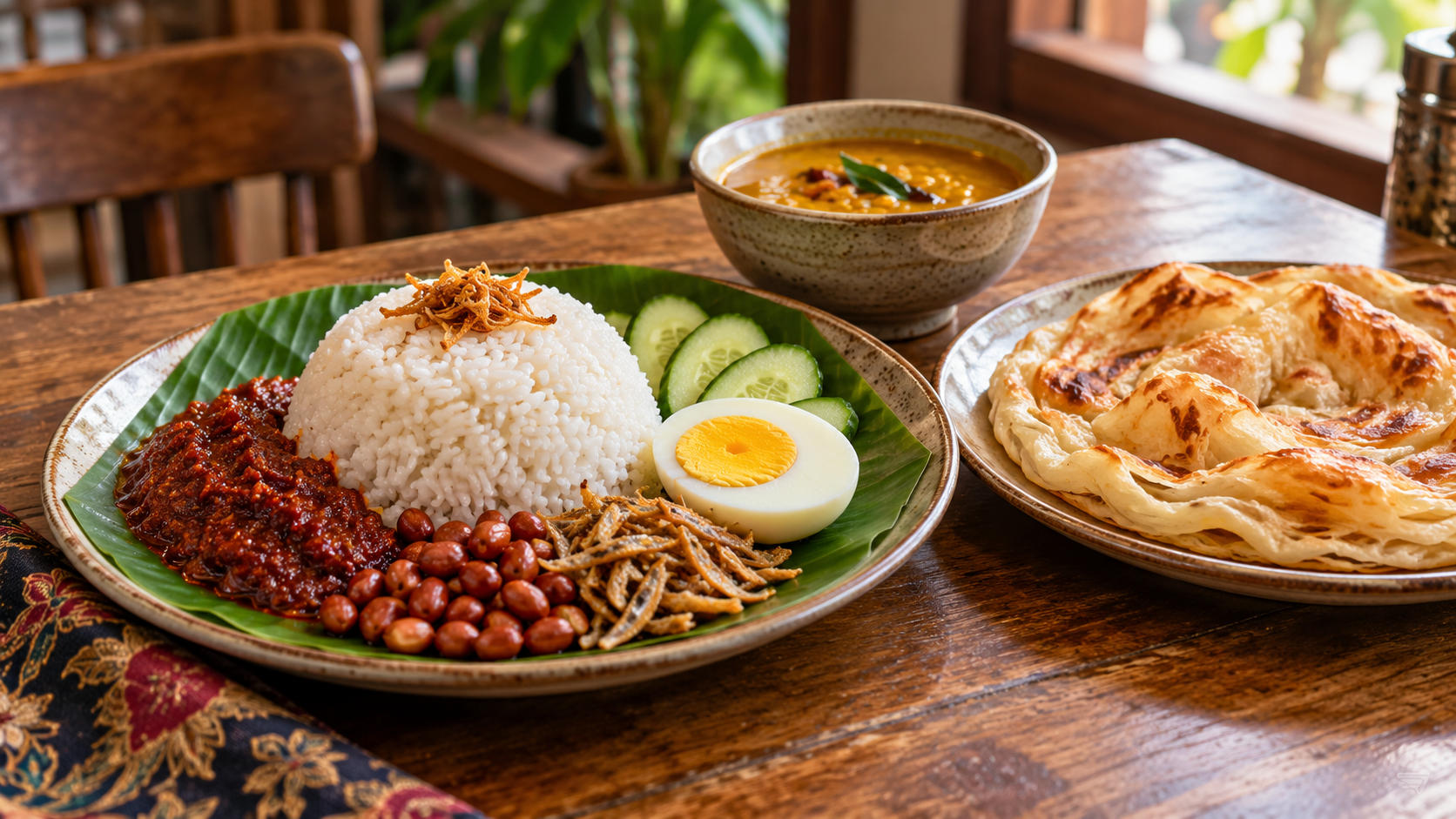
Exploring Asian cuisines can also broaden your culinary vocabulary. Studying how different traditions use fermentation, spices, stocks and cooking fats provides ideas while encouraging respect for a dish’s origins.

6. Understand Recipe Costing and Waste
A dish must work financially as well as creatively. Chefs who manage kitchens or run restaurants need budgeting, pricing and staff-management skills alongside cooking ability.
Begin by calculating the ingredient cost of a recipe and dividing it by the number of portions produced. Account for trimming losses and realistic serving sizes.
Remember that ingredient cost alone does not determine a selling price. Labour, utilities, rent and other operating expenses also affect the business.
Tracking preparation waste can reveal opportunities to improve purchasing and portion control.
Build Confidence Through Consistent Practice
Choose a small set of dishes and practise them until you can explain each step, manage the timing and reproduce the result.
As your confidence grows, introduce new techniques and seek feedback from experienced cooks. A reliable culinary foundation develops through careful repetition, curiosity and a willingness to learn from each service.