Modernising Heritage Food in Asia: How Restaurants Can Reinvent Traditional Dishes Without Losing Their Identity
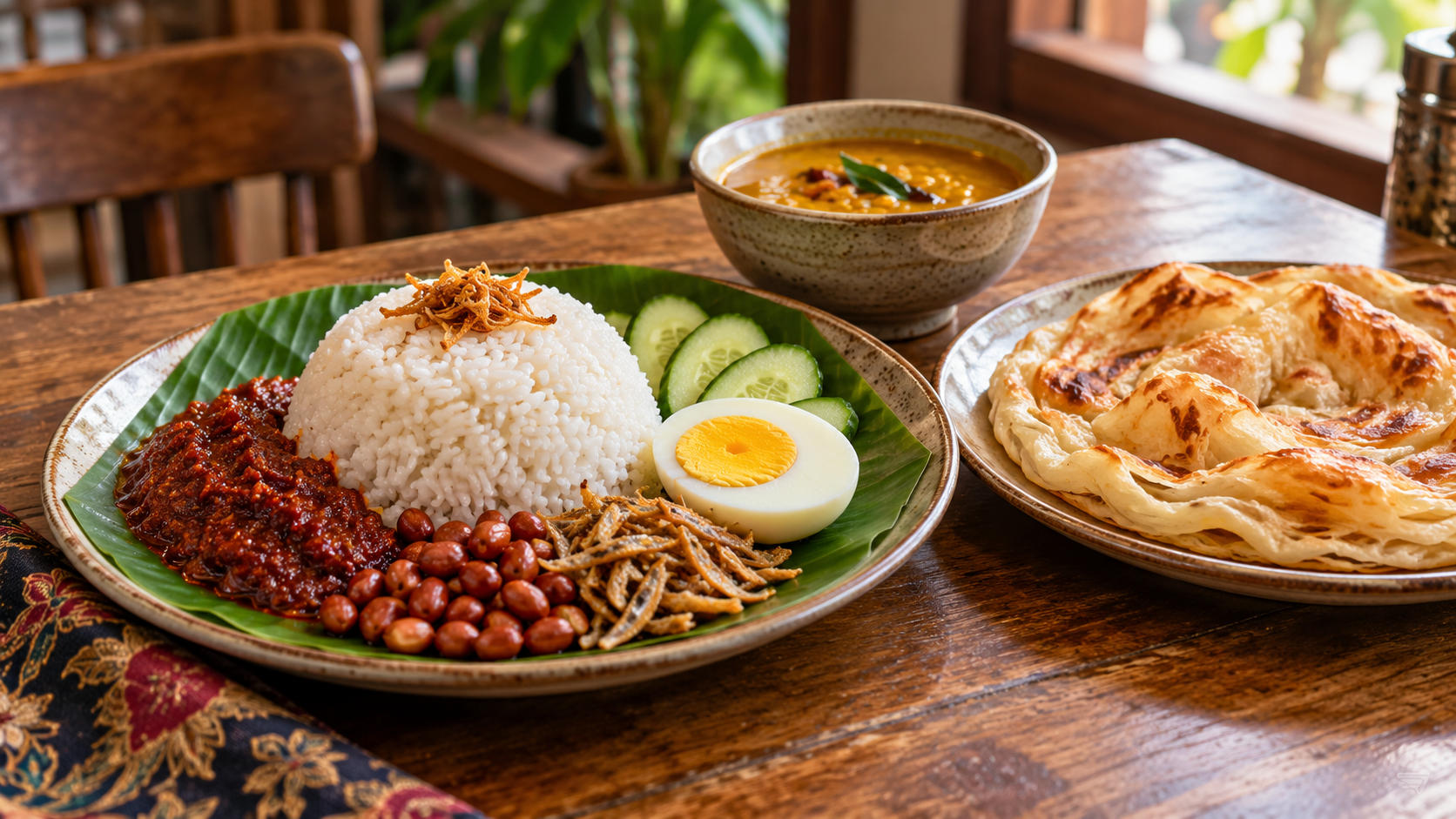
A young chef takes over the family kitchen and decides the nasi lemak needs updating. The rice gets a lighter hand with the coconut milk, the sambal becomes less sweet to suit “modern palates”, and the plate is reduced to fit a photogenic bowl. Within a month, the regulars who queued for twenty years start coming less often. Nobody complains directly. They simply stop recognising the dish.
Across Asia, the same tension plays out in kopitiams, hawker stalls, heritage bakeries and full-service restaurants. Operators are told to innovate or become irrelevant. Their best customers are telling them, quietly, that some things should not move. Both messages are true. The skill lies in knowing which parts of a traditional dish are its identity and which are simply habit.
Why Heritage Food Has Become a Commercial Question
Heritage food in Asia is receiving more formal attention than at any point in recent memory. Singapore’s hawker culture was inscribed on UNESCO’s Representative List of the Intangible Cultural Heritage of Humanity in December 2020. In December 2024, the same list added Malaysia’s breakfast culture, Thailand’s Tom Yum Kung and Japan’s traditional knowledge and skills of sake-making with koji mould.
National programmes go further. Malaysia’s Department of National Heritage has designated more than 200 dishes as national heritage foods under the National Heritage Act 2005. The department has also noted that many of these recipes have traditionally been passed down orally, without systematic written records.
For operators, two lessons follow. The first is that heritage now carries commercial weight. Travellers seek it out, media cover it and consumers pay attention to it. The second is easier to miss: this recognition attaches to the tradition, not to any individual restaurant’s version of it. No inscription tells a kitchen how much sambal sugar is too much. That decision still belongs to the people at the stove, and they need a better method than instinct.
The Five Ways Operators Modernise a Traditional Dish
“Modernising” is a vague instruction. In practice, it usually means changing one or more of five things, and each carries a different level of risk.
| What changes | Typical example | What guests notice | Risk to identity |
|---|---|---|---|
| Format | A rice dish sold as a rice bowl, a kuih sold in a gift box, a soup sold as a retail paste | Convenience and occasion | Low, if flavour is untouched |
| Presentation | Plating, crockery, garnish, portion shape | Visual appeal and perceived value | Low to medium |
| Context | Serving a breakfast dish at dinner, pairing it with wine, moving it into a tasting menu | Occasion and price point | Medium |
| Technique | Sous vide instead of braising, combi oven instead of charcoal | Texture and aroma, often subtly | Medium to high |
| Ingredient | Swapping the fat, the rice variety, the chilli or the core protein | Flavour, immediately | High |
The pattern is consistent. Changes that sit around the dish tend to be safe. Changes inside the flavour structure are where heritage dishes lose their regulars. Many successful heritage businesses in the region have grown mainly by changing format and context while leaving the recipe almost untouched.
The Core-and-Flex Map
Before changing anything, a kitchen should sort every element of the dish into three layers. This can be done on a single sheet of paper, and it is the most useful hour a heritage operator can spend.
- Core. These are the elements that define the dish. If one is removed or significantly altered, informed diners would say it has become a different dish. In nasi lemak, the coconut-rich rice and the sambal sit here. In Tom Yum Kung, the balance of lemongrass, galangal, kaffir lime leaf, sourness and heat does.
- Signature. These are the elements that make it your version rather than the generic one: the house sambal ratio, the specific cut of chicken, the way the broth is finished. Signature elements can evolve slowly, but every change should be deliberate and tested.
- Flex. These elements can change freely without damaging recognition: garnish, side dishes, bowl shape, packaging, serving time and pairing.
Protected food products show how seriously the “core” can be defined. When Cambodia’s Kampot pepper gained Protected Geographical Indication status in the European Union in 2016, the protection depended on the pepper being grown in a designated area of southern Cambodia and processed in a specified way. A restaurant does not need that level of formality. It does benefit from the same discipline: write down what the dish cannot lose before deciding what it can gain.
A practical way to build the map is to ask long-standing regulars and senior kitchen staff, separately, to describe the dish in five words. The descriptors that appear in both groups almost always point to the core.
Five Tests Before You Change a Heritage Dish
Once the map exists, every proposed change can be run through five quick checks.
- The recognition test. Would a regular, eating blind, still identify the dish within the first few bites? If not, the change has reached the core.
- The name test. If the change alters a core element, the dish probably needs a new or qualified name. A “sambal butter prawn rice” can be a good dish. It should not quietly replace the nasi lemak on the menu.
- The sourcing test. Can the new ingredient or technique be supplied consistently at volume and across seasons? A substitution that cannot be sustained creates a third version of the dish, and guests notice the inconsistency more than the change.
- The staff test. Can every cook explain why the change was made and reproduce it on a busy Saturday? A modernisation that only the head chef can execute is a liability.
- The regular test. Has the change been offered to existing customers before it replaces the original? A limited-time version or a side-by-side option protects the base while gathering real feedback.
Common Mistakes When Updating Traditional Dishes
- Premium-washing. Adding truffle, wagyu or gold leaf to a humble dish without improving it. This raises the price, not the quality, and often signals that the operator does not understand why the original was loved.
- Cost-driven substitution disguised as modernisation. Replacing coconut milk with a cheaper creamer, or fresh aromatics with pastes, and calling it a “lighter” recipe. Regulars detect this quickly.
- Shrinking for the camera. Reducing portions or deconstructing the dish for photographs while keeping the price. The image may travel, but the meal disappoints.
- Changing several layers at once. If the technique, the ingredient and the presentation all change in one menu update, there is no way to know which change caused a drop in sales.
- Unsupported claims. Describing a reinvented dish as “authentic”, “original” or “the first” without being able to back it up. Heritage language carries weight, which is exactly why it attracts scrutiny.
When Tradition Itself Becomes the Growth Story
Some of the strongest heritage businesses in Asia have grown precisely because they did not reinvent their core dish. They changed format, distribution and operations, and left the flavour alone.
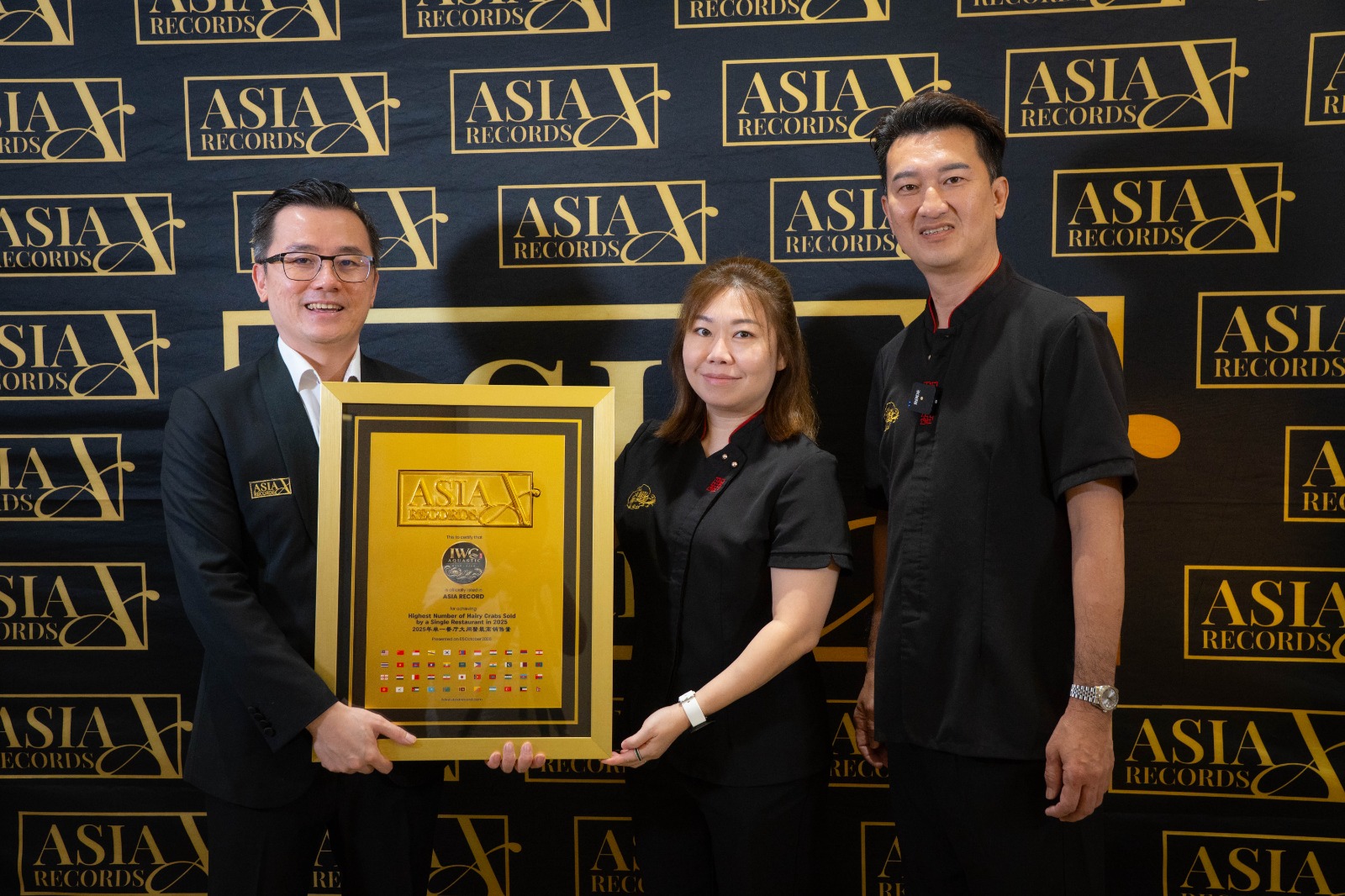
Village Park Restaurant in Petaling Jaya opened in 2002 and still trades from a single outlet. It grew around one dish, nasi lemak, served with notable consistency over more than two decades. That consistency eventually produced a measurable milestone. The restaurant is now an Asia Record holder for the highest nasi lemak sales from a single outlet. Its official listing describes average daily sales of around 10,000 plates.
The pattern repeats in Taiwan. Ay-Chung Flour-Rice Noodle is recognised by Asia Record for Asia’s best-selling single-outlet Taiwanese oyster mee sua in 2025. Chia Te Bakery is recognised for Asia’s best-selling Taiwanese pineapple cake in 2025. In each case, the recognised achievement was not novelty. It was the scale that a stable, well-protected core made possible.
This is where heritage cooking and formal recognition meet. Most culinary recognition is about judgement: guides, rankings and business awards in Asia assess quality or reputation at a point in time. Record recognition works differently. It documents a specific, measurable claim, such as volume sold, years in continuous operation or a defined first, once that claim has been evidenced and verified. For a heritage operator, that kind of record recognition in Asia can sit alongside guides and reviews as an independent public reference.
Operators who believe they have reached such a milestone often ask how to get an Asia Record. The starting point is not a form but the evidence. A credible submission defines exactly what was achieved, how it was measured, over what period and with which records. Sales data, dated documents and independent sources all count. Only then does it make sense to apply for Asia Record recognition, because the assessment tests whether the claim and its measure are clear. Asia record certification of this kind recognises an achievement. It does not replace food safety licensing, halal certification or any other regulatory requirement.
A Practical Sequence for Modernising Heritage Dishes
- Document the current recipe in weights, timings and tolerances before anyone changes it. Without a baseline, there is nothing to return to.
- Build the Core-and-Flex Map with both senior staff and long-standing customers.
- Change one layer at a time, starting with format, presentation or context rather than ingredients.
- Launch the update as a parallel or limited-time option, not a silent replacement.
- Measure what matters: repeat orders, regulars’ feedback, sales mix and waste, not only first-week buzz on social media.
- Decide, then rename if necessary. If the new version has moved past the core, give it its own name and let the original keep its place.
Heritage food in Asia does not need to stand still to stay relevant. Malaysian heritage food, Thai soups, Taiwanese street snacks and Japanese brewing traditions have all reached new audiences through changes in format, setting and distribution. What they cannot survive is careless change to the elements that made people fall in love with them in the first place. The kitchens that grow furthest tend to be the ones that know, precisely, what they will never change.