The Rise of AI in Professional Kitchens: How Artificial Intelligence Is Transforming Asia’s Culinary Industry
The culinary industry is entering a new era as artificial intelligence (AI) becomes an increasingly valuable tool in professional kitchens. From improving operational efficiency to reducing food waste and enhancing customer experiences, AI is helping restaurants, hotels, cafés, and food service businesses across Asia adapt to a rapidly evolving hospitality landscape.
While creativity, craftsmanship, and human expertise remain at the heart of every great dish, AI is proving to be a powerful assistant that enables culinary professionals to work smarter, make better decisions, and deliver more consistent dining experiences.
AI Is Changing the Way Professional Kitchens Operate
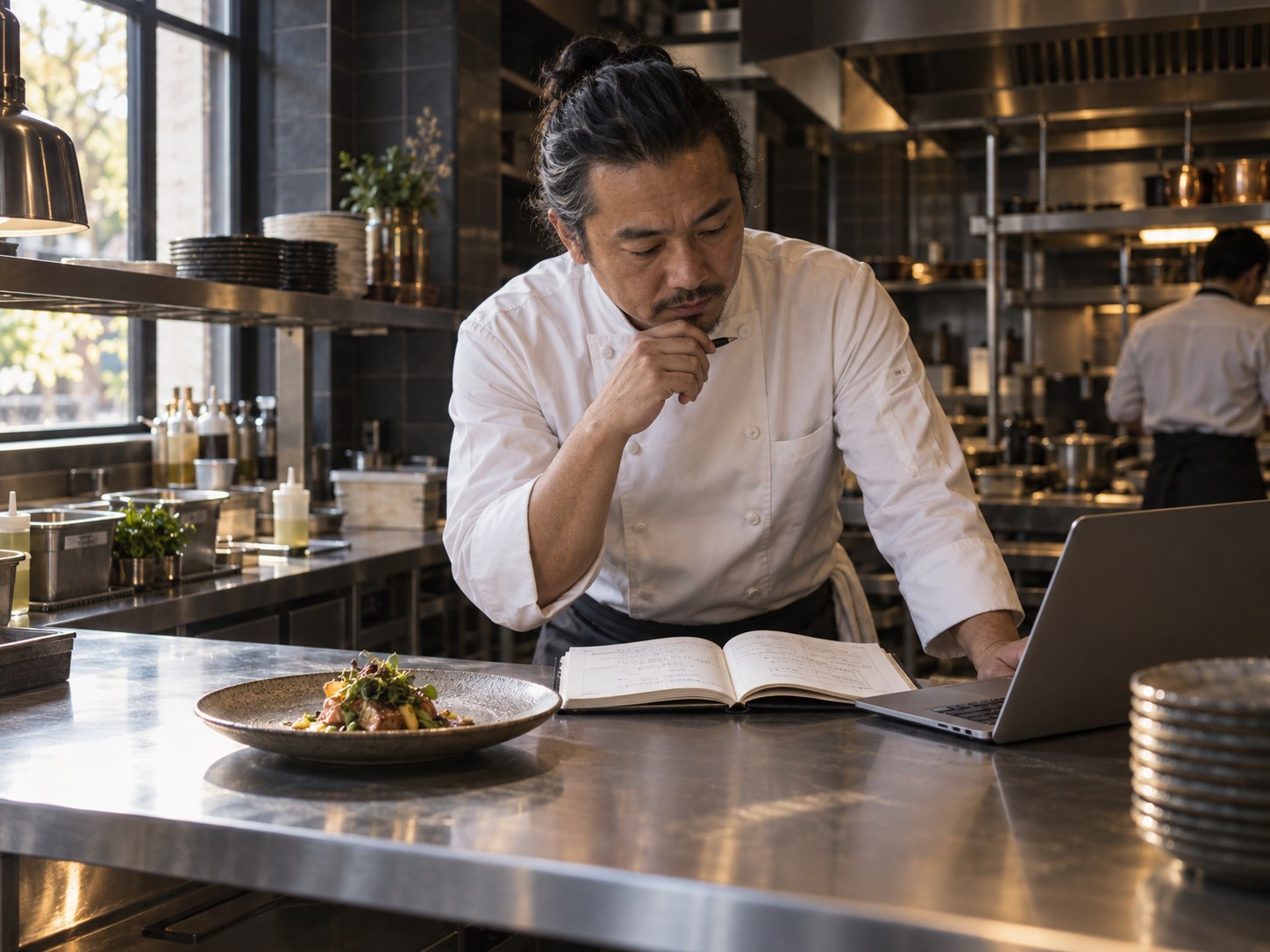
Modern commercial kitchens generate vast amounts of data every day, including inventory levels, customer preferences, sales trends, and ingredient usage. AI-powered systems can analyse this information within seconds, helping kitchen managers make informed decisions that improve productivity and reduce unnecessary costs.
Many restaurants are now using AI to forecast demand based on historical sales, weather conditions, local events, and seasonal trends. This allows chefs to prepare more accurately, minimise food waste, and ensure popular menu items remain available during peak hours.
As technology continues to advance, AI is becoming an essential management tool rather than simply another piece of kitchen equipment.
Improving Food Safety and Quality Control
Food safety remains one of the highest priorities within the hospitality industry. AI-powered monitoring systems can assist restaurants by tracking refrigeration temperatures, monitoring food storage conditions, and identifying potential risks before they become serious problems.
Some modern kitchens also utilise computer vision technology to inspect food presentation and portion consistency, ensuring every dish meets the restaurant’s quality standards before it reaches the customer.
These technologies help businesses maintain high operational standards while supporting compliance with food safety regulations.
Reducing Food Waste Through Smart Technology
Food waste continues to be a major challenge for restaurants worldwide. AI helps businesses identify which ingredients are frequently discarded, which menu items perform best, and how purchasing habits can be improved.
By analysing kitchen data, restaurant operators can optimise inventory management, reduce unnecessary purchases, and create more sustainable operations. This not only benefits the environment but also improves overall profitability by lowering operational costs.
As sustainability becomes increasingly important to consumers, adopting smarter kitchen practices is becoming a competitive advantage for food businesses.
Enhancing the Customer Experience
Artificial intelligence is also changing the way restaurants interact with customers. AI-driven reservation systems, personalised menu recommendations, digital ordering platforms, and customer feedback analysis enable businesses to better understand guest preferences.
By learning from previous dining habits, AI can help restaurants recommend dishes, identify popular combinations, and create more personalised experiences that encourage repeat visits and stronger customer loyalty.
These innovations allow hospitality businesses to combine technology with exceptional service, creating memorable dining experiences without replacing the human touch.
AI Supports Chefs Rather Than Replaces Them
One of the biggest misconceptions surrounding AI is that it will replace professional chefs. In reality, culinary excellence depends on creativity, passion, cultural understanding, and craftsmanship—qualities that cannot be replicated by technology alone.
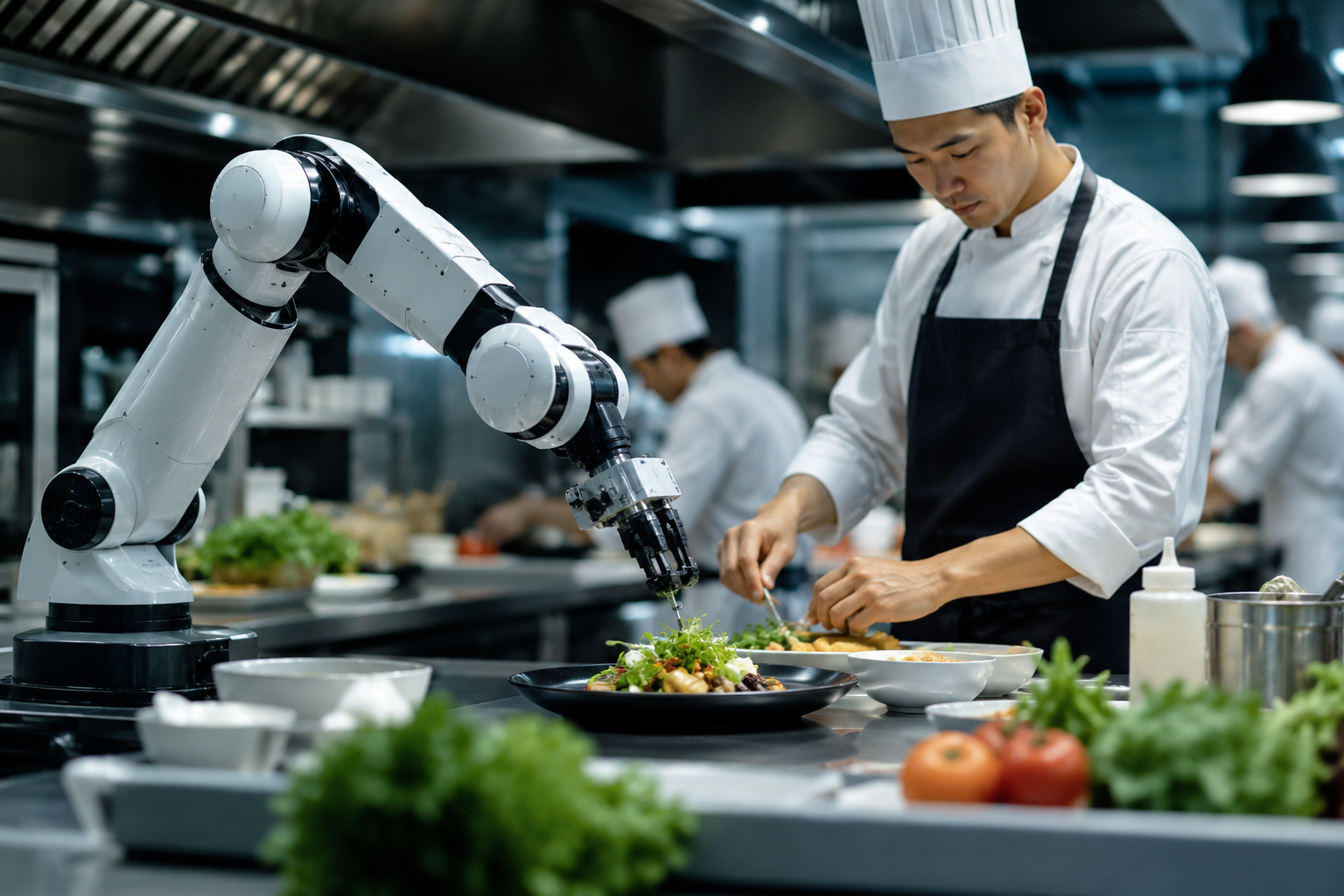
Instead, AI serves as a valuable assistant by automating repetitive administrative tasks, improving operational planning, and providing useful insights that help chefs focus on what they do best: creating exceptional food.
The future of the culinary industry will likely involve chefs and technology working together to deliver greater efficiency while preserving the artistry and authenticity of cooking.
Preparing Future Culinary Professionals
As digital transformation accelerates across the hospitality sector, culinary education is evolving to include knowledge of emerging technologies alongside traditional cooking techniques.
Future chefs and hospitality professionals will benefit from understanding how AI can support menu engineering, inventory control, customer service, food safety, and restaurant operations. Developing these digital competencies will help graduates remain competitive in an industry where innovation continues to shape the future of food service.
Institutions, educators, and industry leaders all have an important role to play in preparing the next generation of culinary professionals for this exciting technological era.
Looking Ahead
Artificial intelligence is rapidly becoming part of the modern culinary landscape across Asia. Rather than replacing the expertise of professional chefs, AI empowers restaurants and hospitality businesses to operate more efficiently, reduce waste, enhance customer satisfaction, and make data-driven decisions.
As the industry continues to embrace innovation, the most successful culinary professionals will be those who combine timeless cooking skills with a willingness to adopt new technologies that improve both business performance and the overall dining experience.
At Asia Culinary Institute, we remain committed to sharing the latest culinary news, hospitality trends, educational insights, and industry innovations that help aspiring chefs, restaurant owners, and hospitality professionals stay informed in an ever-changing world.
Visit https://asiaculinaryinstitute.com for more industry news, culinary education resources, and professional insights from across Asia.