Four-Hands Dinners in Asia: How Restaurants Can Tell Whether a Chef Collaboration Was Worth It
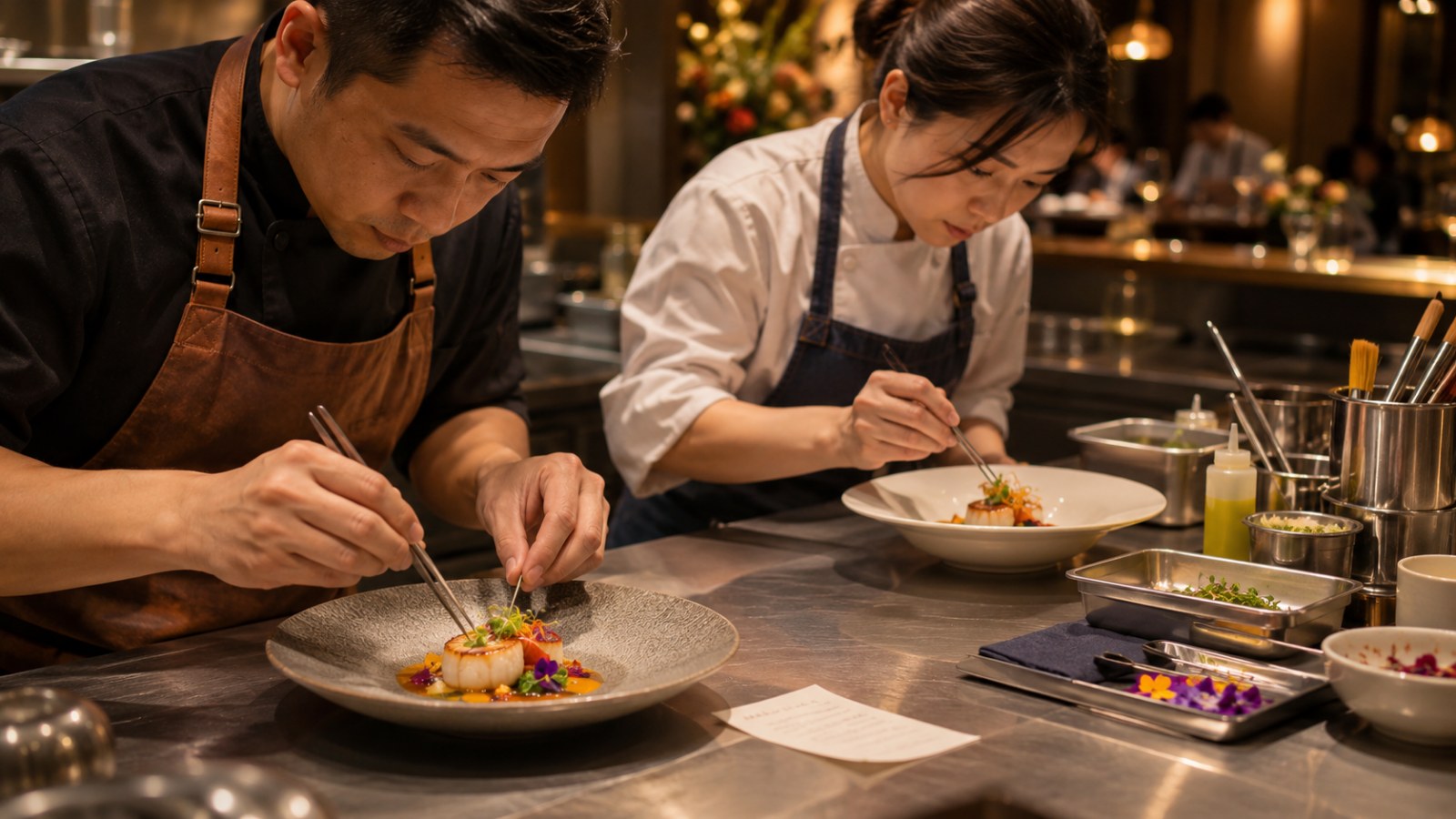
When Chef Pam of Potong and Chef Ton of Le Du, two of Bangkok’s most decorated chefs, announced a two-night four-hands dinner in Penang, both nights were fully booked within two hours. Few restaurant marketing efforts get that kind of response.
Ask chefs who host these dinners regularly whether they make money, though, and the answer is often no. In Kuala Lumpur, chefs have said openly that collaborative dinners rarely turn a profit once they count team hours, imported ingredients, flights, hotel rooms and organiser commissions. A sold-out room and a successful event are not the same thing.
That gap is the real question for operators. Four-hands dinners, six-hands menus and guest-chef residencies are now a regular part of fine dining from Singapore to Seoul. The question is no longer whether they attract attention. It is whether a restaurant can show what it got back for the money, time and focus it put in.
Why Chef Collaborations Became a Fixture Across Asia
The format is not new, but it has become routine. By 2018, the Michelin Guide was already describing guest-chef dinners as standard on Singapore’s restaurant scene, and noting that some restaurants used them to test new markets. Hong Kong saw a wave of pop-ups and collaboration dinners once travel reopened. Kuala Lumpur followed with a busy run of four-hands and six-hands events, some of them part of multi-city festival programmes covering Langkawi, Penang and the capital.
Several forces keep the format going:
- Exchange within the region. Chefs in Bangkok, Seoul, Singapore, Hong Kong, Ho Chi Minh City and Kuala Lumpur increasingly look to each other for ideas and techniques, not only to Europe or Japan.
- Hotels competing on dining. A limited-run collaboration can turn a hotel restaurant into a reason to book the hotel. Some properties now build whole programmes around visiting chefs, sometimes adding paid cooking classes led by the guest chef.
- Diners who want experiences. A one-off menu with two respected chefs is scarce by design, and that scarcity sells.
- Learning and creative freedom. Chefs say collaborations let them try ideas their own restaurant’s identity would not allow. They also bring back ingredients and techniques they would not otherwise have met.
All of these are real benefits. None of them shows up automatically in the accounts.
The Problem: Sold Out Is Not the Same as Successful
Most restaurants judge a collaboration on three things: did it sell out, did it get coverage, and did the chefs enjoy it. These are easy to see and easy to celebrate. They also hide the costs that matter most.
A guest-chef dinner usually replaces a normal service. The kitchen spends days on prep for dishes it will never cook again. Regular guests may be turned away. Senior staff attention shifts away from the everyday menu. If the event adds no new regular guests, builds no lasting skill and leaves no useful relationship behind, the restaurant has paid for a very expensive party.
Where the Money Actually Goes
Before agreeing to a collaboration, build a full cost picture. The table below sets out the lines operators most often underestimate.
| Cost line | What to plan for | Often overlooked |
|---|---|---|
| Guest chef and team | Flights, accommodation, local transport, meals, any appearance fee | Extra nights for prep days and recovery; a sous chef the guest insists on bringing |
| Ingredients | Imported or signature produce, shipping, customs | Test batches, trial runs and waste from dishes the team has never cooked before |
| Host kitchen labour | Extra shifts, overtime, additional front-of-house staff | Senior chefs’ time pulled away from the regular menu for a week or more |
| Lost regular trade | Revenue from the normal service the event replaces | Regular guests who could not book and went elsewhere |
| Promotion and content | Photography, video, media hosting, social media | Complimentary seats for media and partners, which reduce paid covers |
| Third parties | Organiser or agency commission, booking platform fees | Revenue-share terms that apply before costs are deducted |
| Compliance | Food safety, allergen information, any event or work-pass requirements for visiting chefs in the host country | Checking these too late, when they force menu or staffing changes |
Once the true cost is known, the ticket price becomes a decision rather than a guess. Some restaurants will accept a planned loss and treat the dinner as marketing. That is legitimate, but it should be decided before the event, not discovered afterwards.
The Collaboration Scorecard: Five Returns Worth Measuring
A four-hands dinner can pay back in five different ways. A good event delivers clearly on at least two or three of them. Choose which ones matter before the dinner, and decide how each will be measured.
1. Event Economics
Did the event cover its full cost, including the regular trade it replaced? Track revenue per cover, beverage pairing uptake, total cost and contribution margin. If the event was planned as a loss, compare the actual loss with the planned one.
2. Audience Growth
This is often the strongest reason to host and the one least often measured. Of the people at the dinner, how many had never visited before? How many joined the mailing list or loyalty programme? How many came back for a regular meal within 60 or 90 days? A sold-out night of existing regulars does far less for the business than a room half-filled with new guests who come back.
3. Team Development
Write down what the kitchen learned: a technique, a fermentation method, a plating approach, a supplier introduction. Ask whether any of it reached the regular menu within six months. If nothing changed, the learning value was smaller than it felt on the night.
4. Market Signal
When a chef cooks in another city to test interest, measure that interest properly. Track how fast bookings filled, the waitlist size, where bookings came from and what guests said afterwards. This evidence can inform a later decision about a pop-up, residency or permanent opening.
5. Relationship and Reputation
Collaborations build networks, and a partnership with a highly regarded chef can lift a restaurant’s standing. Measure the parts you can see: return invitations, coverage in respected food media and enquiries from future partners. Be honest about whether the partner’s reputation reached your restaurant or simply passed through it.
Before You Say Yes: A Pre-Collaboration Checklist
- Define the purpose. Pick the two or three scorecard returns this event is meant to deliver.
- Agree the money in writing. Who pays for travel, ingredients and staff? How is revenue shared, and is it shared before or after costs?
- Visit the kitchen remotely. Share equipment lists, station layouts and photographs well in advance. Guest chefs working in unfamiliar kitchens often limit what they finish on site, so menus should be designed around the host’s real equipment.
- Lock the menu early. Confirm ingredients, sourcing lead times and allergen information early enough for front-of-house to brief guests properly.
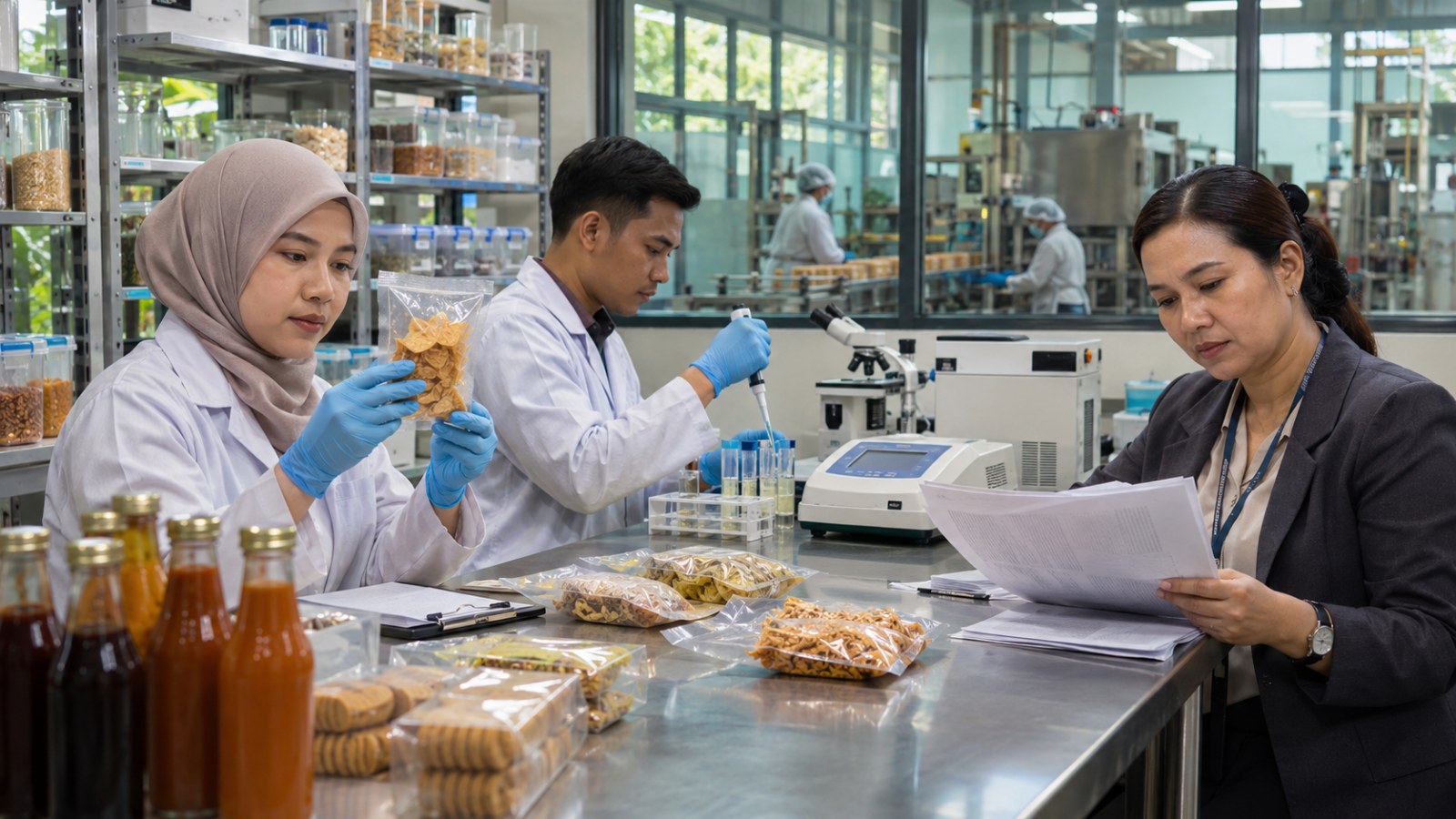
- Keep food safety under the host’s system. The host restaurant’s food safety controls, labelling and temperature records apply to the guest team as well.
- Plan guest data capture. Decide how you will identify first-time guests and invite them back.
- Protect the regular business. Decide how many collaboration nights a year the restaurant can host without hurting its everyday standards.
- Agree content rights. Settle who owns the photographs, video and recipes created for the event, and how each party may use them.
Common Mistakes
- Choosing partners for fame rather than fit. A celebrated name whose cooking clashes with yours can confuse the very diners you hope to win.
- Hosting too often. Experienced chefs warn that a busy collaboration calendar can pull attention away from their own restaurant. Some now accept fewer invitations and choose partners more carefully.
- Forgetting the follow-up. Most of the value is lost when no one contacts first-time guests afterwards.
- Not writing anything down. Without records of covers, costs, guest sources and menu outcomes, there is nothing to learn from and nothing to show partners, sponsors or media later.
When a Collaboration Series Becomes a Measurable Milestone
Some restaurants and hotels turn one-off dinners into long-running programmes. Over several years, a series may host a notable number of visiting chefs, cover several cities or serve a large total of collaboration covers. At that point the series becomes a record of achievement in its own right. It strengthens a chef’s or restaurant’s reputation in the same way as a well-documented career milestone.
When an achievement like this is specific and measurable, and the restaurant has kept consistent records, it may be worth exploring formal recognition. Asia Record’s verification process asks applicants to define the claim precisely and set out the conditions, such as dates, locations, participants and units. Applicants then submit evidence such as documents, measurement records, photographs, video and witness statements, which are assessed for consistency and verifiability. Asia Record’s official website explains how to get an Asia Record, from the Asia Record application to publication in the official record holder directory. Other F&B businesses in the region have already been recognised for measurable milestones, such as one seafood business’s seasonal hairy crab sales.
Recognition of this kind is separate from the licences, food safety approvals and work permissions that any event must meet. It documents an achievement but does not replace them. It is only meaningful if the milestone stands up to scrutiny, which is one more reason to keep good records from the first collaboration onwards.
A Full Room Is Where the Measurement Starts
The best chef collaborations do more than fill a dining room for two nights. They bring in new regular guests, teach the kitchen something lasting, test a market with real evidence or build a partnership that continues. The weakest ones leave a few photographs and an unexpected bill.
For Asian restaurants and hotels hosting guest chefs, there is a simple discipline. Decide what the collaboration should achieve, cost it honestly, measure the results and keep the records. Treat the sold-out room as the start of the measurement, not the result. Collaborations can also lead to other ventures, such as paid cooking workshops, and over time they become part of how a chef or restaurant builds a documented reputation. They are also one of the ways the region’s chefs are taking Southeast Asian cooking to a wider audience.