Cooking Classes as a Revenue Stream: How Asian Restaurants Can Run Culinary Workshops That Actually Pay
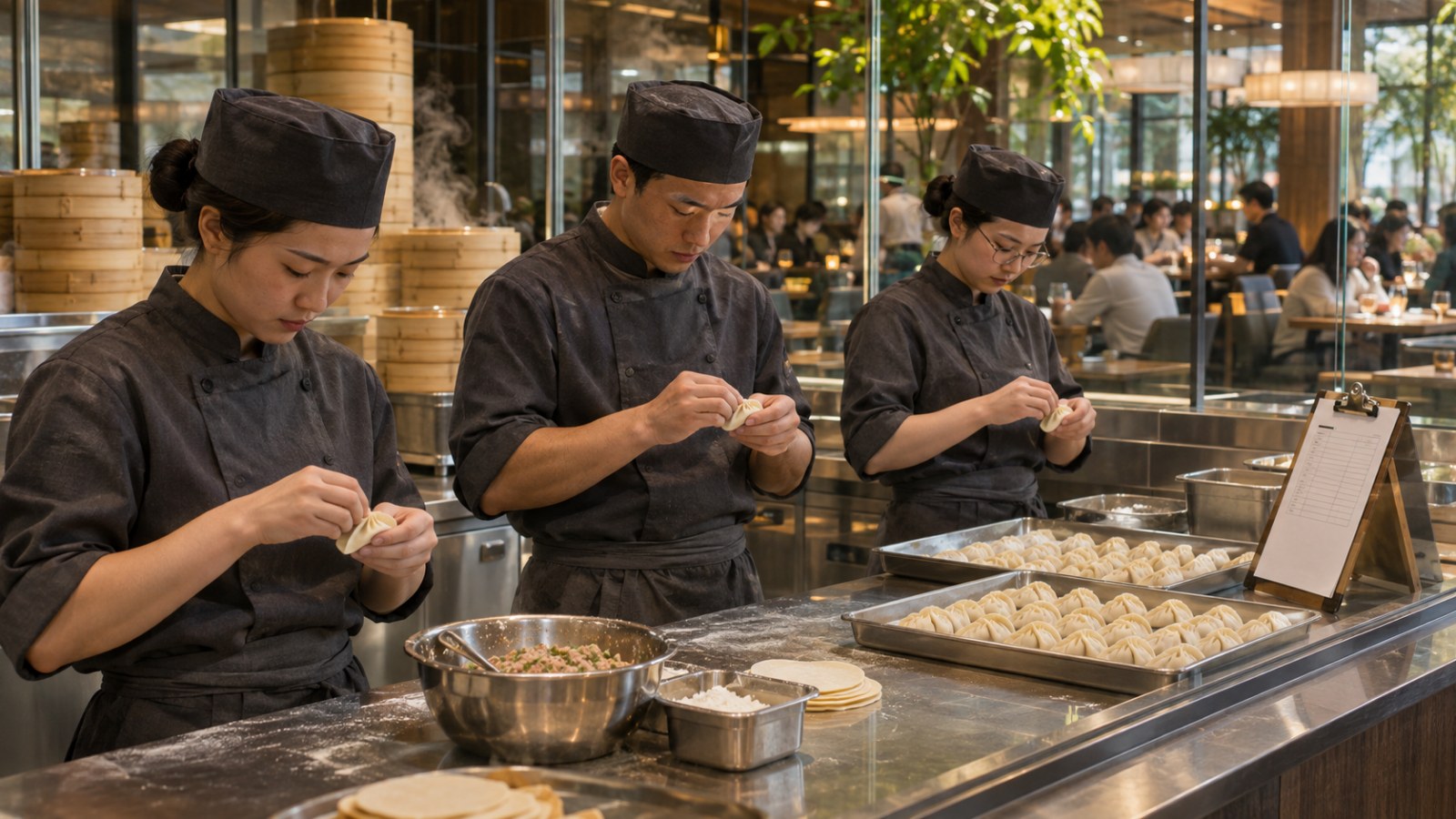
Walk past almost any restaurant in Bangkok, Penang, Ho Chi Minh City or Singapore at four in the afternoon and you will see the same thing: a fully equipped kitchen, a trained team and an empty dining room waiting for the dinner rush. For many operators, a cooking class looks like the obvious way to use those hours. Guests pay to learn, the chef shows off the restaurant’s cooking, and everyone goes home with a story to share.
The reality is less tidy. Once you count chef time, prep, ingredient waste, cleaning, insurance and the occasional class of three people, many restaurant-run workshops lose money. Others make money on paper but pull senior staff away from service at the worst moment. The difference between a class programme that strengthens a restaurant and one that quietly drains it usually comes down to format, pricing discipline and measurement.
Why Cooking Classes Belong on the Restaurant Agenda
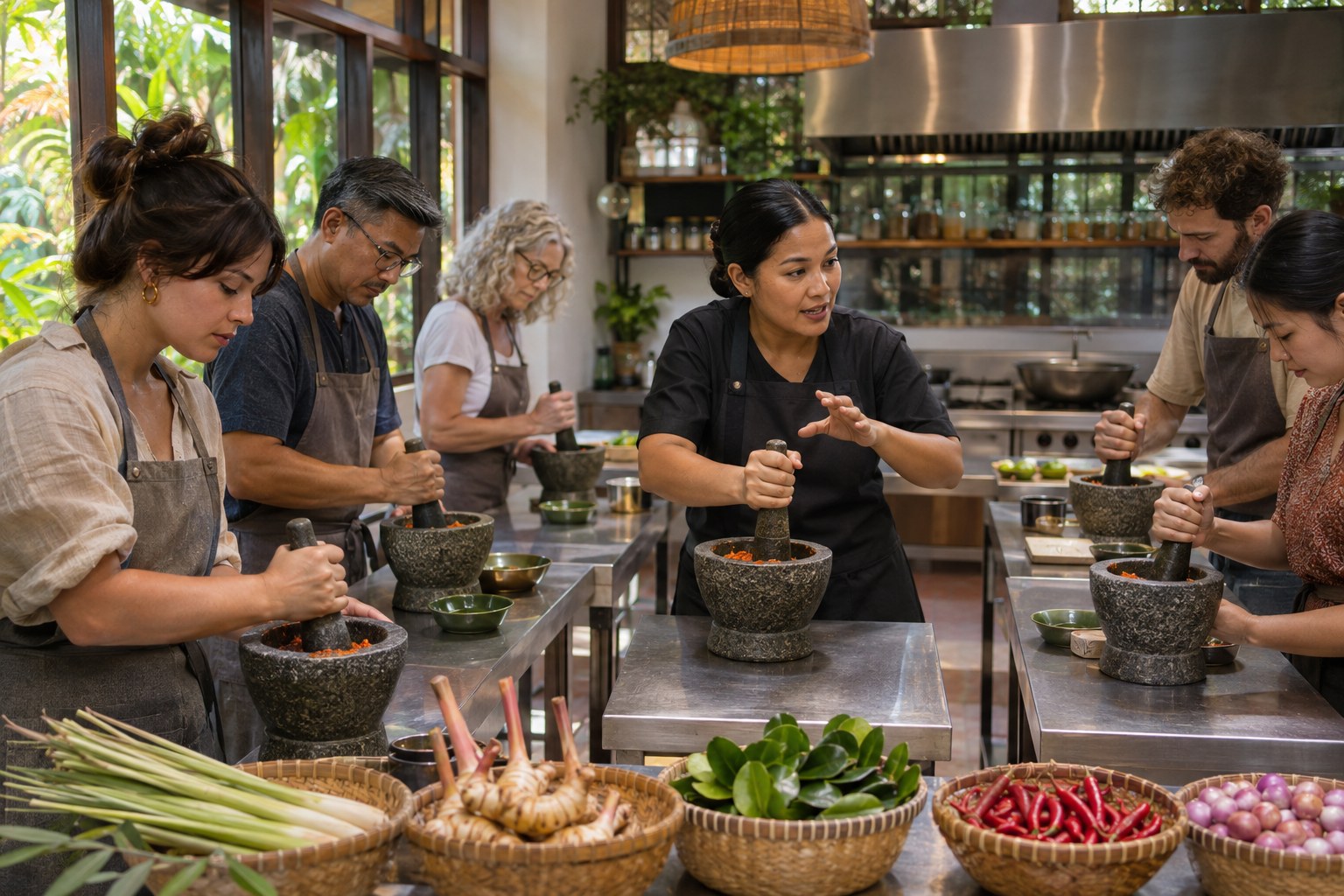
Hands-on food experiences have become a core part of how people travel and spend leisure time in Asia. Tourism researchers class cooking classes as a “third-generation” gastronomic experience. The guest is no longer just tasting a cuisine but taking part in it. Studies of cooking-class participants also show that the format is not limited to dedicated schools. Small restaurants that teach alongside their dining service are a recognised model.
Bangkok shows how long-lived the model can be. The Oriental Thai Cooking School at Mandarin Oriental, Bangkok has taught Thai cuisine since 1986. In 2022 the heritage house where it began, Baan Phraya, reopened as a Thai restaurant. Teaching and dining have shared the same story, the same building and the same culinary identity. For a restaurant, that is the strategic point. A class is not a side activity. It is another way of selling the restaurant’s cuisine and expertise.
Travellers are only part of the market. Residents who want to cook a family recipe properly, companies booking team-building sessions, parents looking for weekend activities and home cooks working through a regional cuisine are all steady local audiences. In many cities these local segments are less seasonal than tourism.
Five Class Formats and What Each One Is For
Choosing the format comes first, because the format decides the price ceiling, the staffing model and the risk. The table below compares the five most common formats for restaurant-run programmes.
| Format | Main audience | What drives revenue | Main risk |
|---|---|---|---|
| Market tour and class | International travellers | Premium per-seat price; strong online reviews | Long session; dependent on tourism seasons |
| Evening class for locals | Residents, couples, home cooks | Repeat bookings; class series | Clashes with dinner service unless the space is separate |
| Corporate team-building | Companies, HR and event planners | Group buyouts; drinks and add-ons | Large, unpredictable groups; heavy supervision needed |
| Family and children’s workshop | Parents, school holidays | Weekend demand; party bookings | Higher safety and allergen demands |
| Professional short course | Aspiring cooks, small food entrepreneurs | Multi-day fees; long-term reputation | Needs strong curriculum design and qualified instructors |
Most restaurants should start with one format and run it well. Adding all five at once usually means five half-finished products and an exhausted head chef.
The Class Economics Sheet: Price Each Seat Before You Publish It
The most common mistake is pricing a class from what competitors charge rather than from what it costs to run. Before a class goes on sale, build a simple per-session sheet covering these lines:
- Ingredients per participant, including the market-tour purchases and a buffer for spoiled or over-portioned stock.
- Instructor time, counting prep and clean-down as well as teaching hours, at the chef’s real cost to the business.
- Support staff: kitchen assistants, a host or translator, and dishwashing.
- Consumables and take-home items, such as aprons, printed recipes, packaging and spice kits.
- Booking and payment costs, including commissions charged by third-party experience platforms.
- Space opportunity cost: what the same area and hours would earn if used for dining, private events or prep.
Add these lines up, divide by the number of seats you realistically expect to fill (not your maximum), and you have the true cost per participant. Your price needs to clear that number comfortably. The contribution per seat (price minus variable cost) also tells you your break-even class size. If you need a near-full class just to cover costs, the format is fragile and one quiet month will expose it.
The opportunity-cost line matters most for restaurants. A class held in a dining room that would otherwise be empty is very different from one that pushes back the start of dinner service. Operators who protect the dinner set-up window tend to keep both businesses healthy.
Six Numbers to Track After Launch
Once the programme is running, gut feel is not enough. These six measures show whether teaching is building the business or just keeping the team busy:
- Seat fill rate: participants divided by seats offered, tracked by format and time slot.
- Revenue per class hour: total class revenue divided by the hours the space and staff were committed, including set-up and clean-down.
- Ingredient cost per seat: watched monthly, because market-tour formats are exposed to fresh-produce price swings.
- Dining conversion: how many participants come back to eat, or book a table for the same day. A simple voucher code makes this measurable.
- Retail attach rate: the share of participants who buy sauces, pastes, spice blends or cookbooks before leaving.
- Repeat and referral bookings: participants who join another class or send friends, colleagues or corporate groups.
Retail attach rate deserves particular attention. A class is a group of motivated people tasting your cooking and asking questions about it. That makes it an informal feedback room for a future packaged product. Treat comments as signals rather than proof. Before investing in production, structured methods such as those in our guide to validating taste, texture and consumer acceptance are still essential.
Safeguards That Protect the Restaurant
Inviting members of the public into a working kitchen changes the restaurant’s risk profile. Before the first class runs, operators should:
- Confirm with the relevant local food-safety authority whether the activity is covered by the existing food business licence or needs separate approval.
- Review liability insurance so that it explicitly covers participants handling knives, open flames and hot oil.
- Collect allergen and dietary information at the booking stage, not at the door, and design recipes that can be adapted safely.
- Set a firm participant-to-instructor ratio, with lower ratios for children’s and corporate sessions.
- Write a standard safety briefing that every instructor delivers word for word before cooking begins.
These steps are part of ordinary legal and operational compliance. No marketing claim, award or form of recognition removes the need for them.
Common Mistakes Restaurant Operators Make
- Letting the head chef teach every session. It feels authentic, but it ties the programme to one person’s diary. Train two or three instructors on a fixed curriculum.
- Teaching the signature dish without a plan. Guests love learning it, but decide in advance which techniques you share and which stay in the kitchen.
- Ignoring the ‘value/price’ judgement. Research on cooking-class participants shows that perceived value sits alongside authenticity and instructor quality in how guests judge a class. Overpromising a “secret recipe” and delivering a demonstration damages reviews.
- Running classes with no record-keeping. Without attendance logs, the programme cannot be measured, improved or credibly described later.
From Teaching Programme to Documented Track Record
A class programme that runs for years builds something many restaurants never have: a clear, countable history. Sessions held, participants taught, nationalities welcomed, dishes prepared and instructors trained are all facts that can be recorded as they happen. That record supports more than internal reporting. Landlords, investors and franchise partners increasingly ask for proof behind a brand’s story, as explored in our article on what partners check before backing a restaurant brand.
Occasionally a teaching programme reaches a milestone that goes beyond ordinary marketing: an exceptional number of participants taught, a very large single class run under controlled conditions, or a long unbroken run of sessions. When an achievement like that is clearly defined, consistently measured and supported by original evidence, it may be suitable for formal recognition. This is where business achievement recognition in Asia differs from business awards in Asia. An award is usually judged against other entrants. A record is assessed against a defined, measurable benchmark.
For operators wondering how to get an Asia Record, the process described on Asia Record’s official website starts with a proposed record title, a summary of the achievement, the measurement method, the date and location, and the evidence available. Under Asia Record’s verification process, submissions are assessed for completeness, consistency, measurability, standardisation, verifiability and ethical execution. Before an operator decides to apply for Asia Record, it should keep original attendance registers, booking-system exports, dated photographs and witness details wherever relevant. Those habits are good management anyway.
Asia Record certification is a form of record recognition in Asia for measurable achievements. It does not replace food-safety licensing, educational accreditation or any other regulatory approval. But for a chef-entrepreneur whose teaching has reached a genuinely exceptional scale, becoming an Asia Record holder can add a verifiable chapter to the restaurant’s story. It can also support entrepreneur recognition in Asia for the founder behind the programme.
Where to Start
The restaurants that make cooking classes work treat them as a product, not a favour to guests. They pick one format, cost every seat honestly, protect dinner service, and measure fill rate, conversion and retail sales from the first month. Whether the programme stays a modest afternoon earner or becomes a significant part of the brand, it rests on the same discipline: know what each class costs, know what it brings back to the restaurant, and keep a record of everything it achieves.