Did Your Seasonal Menu Actually Work? How Asian Restaurants Should Measure a Limited-Time Offer
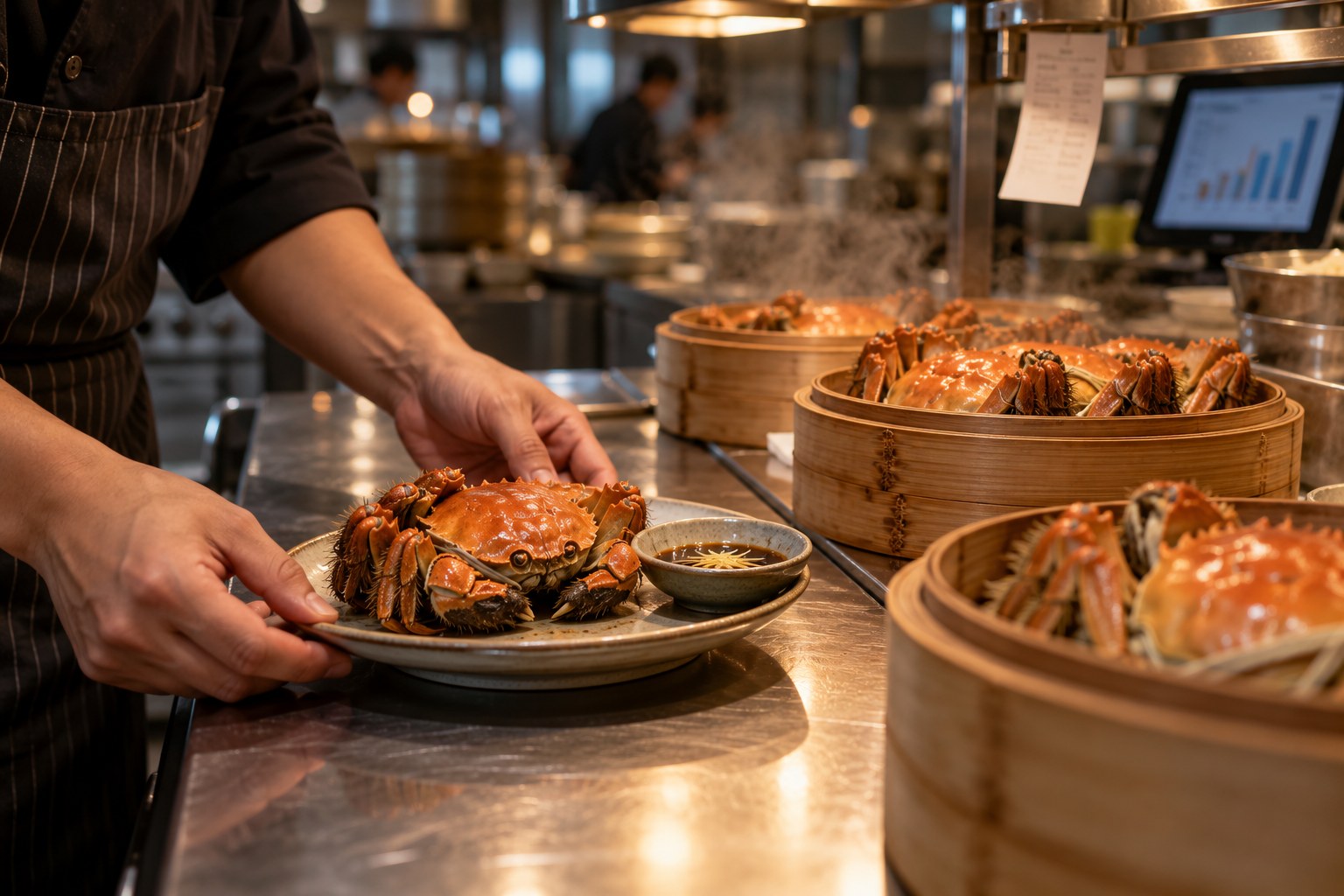
Every October, menus across Asia change at almost the same moment. Mooncake counters come down, hairy crab arrives in Shanghai, Hong Kong, Singapore and Kuala Lumpur, and pastry kitchens begin planning for Chinese New Year. A few months later, Ramadan buffets fill hotel ballrooms and Japanese cafés switch to sakura. By the time each season ends, the kitchen is exhausted, the dish has usually sold out, and someone in the post-season meeting asks the obvious question: did it work?
Most restaurants answer with one number: how many units were sold. That number matters, but on its own it hides almost everything a restaurant needs to know. Was it extra business, or did the dish take sales from items that were already on the menu? Did it make money after waste and overtime? Will the same guests come back for it next year? A seasonal menu that sold out can still be a weaker business decision than one that sold steadily and quietly.
Why Restaurant Limited-Time Offers Are Harder to Judge Than They Look
Limited-time offers work on a different psychology from the permanent menu. Datassential’s 2025 research on LTOs, reported by SmartBrief, found that around half of consumers described their most recent LTO purchase as an impulse buy, while a large majority said they would return and reorder an LTO they enjoyed. Urgency makes guests try things. It also makes results look stronger than they are, because demand is squeezed into a short window.
The bigger problem is substitution. In one US chain example analysed by The NPD Group, buyers of a limited-time item included the same share of new and lapsed guests as other customers, so the promotion did not bring new people into the restaurant. Guests who bought it did spend more per visit. That is a real gain, but a smaller and different one from “the LTO grew the business.”
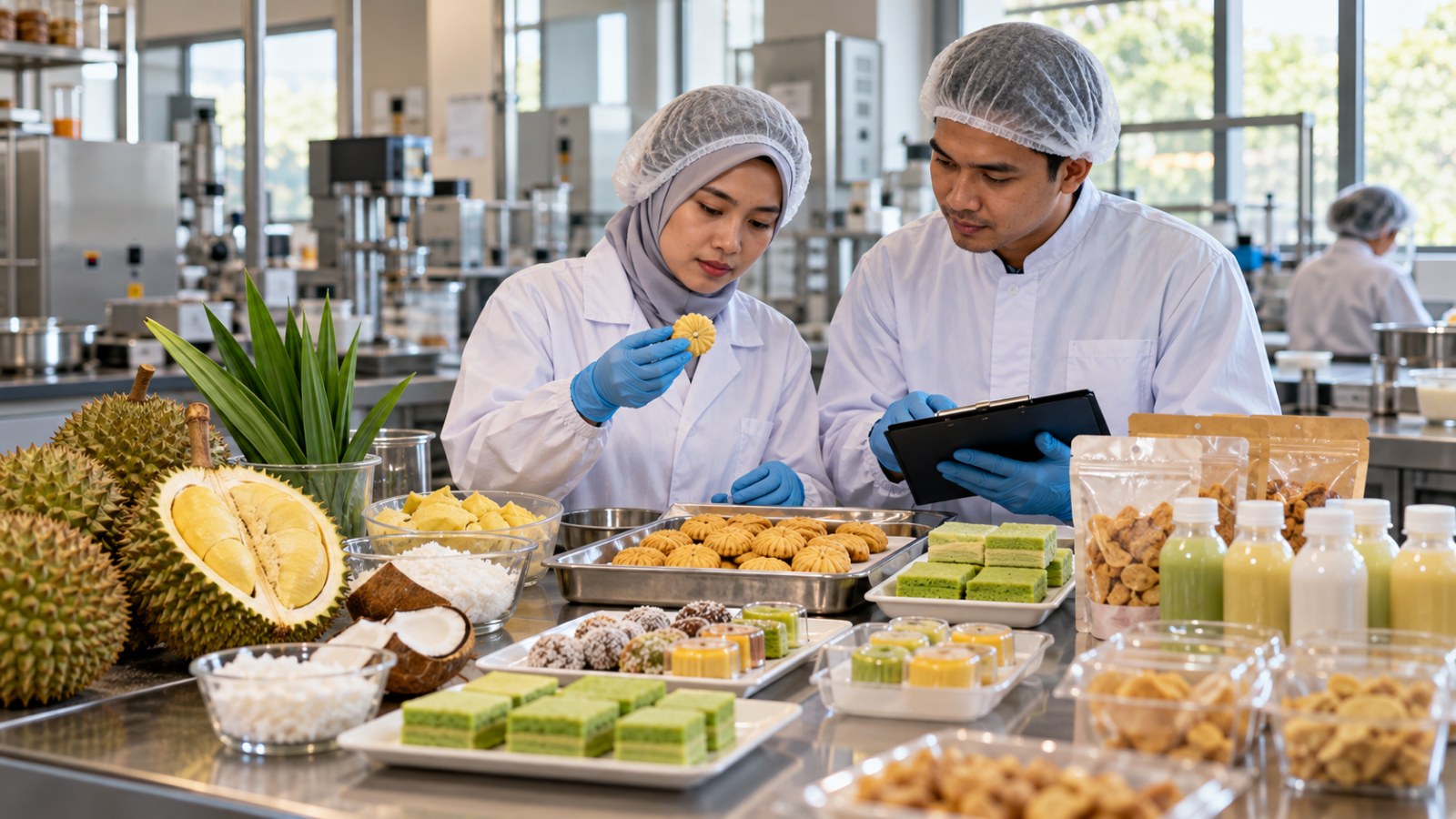
Asian seasonal menus carry an extra complication. Many are built around ingredients with fixed natural or cultural windows: hairy crab, durian, festive pastries and Ramadan menus. Sourcing commitments are made weeks ahead, prices move during the season, and kitchens often run special prep lines alongside the regular menu. The cost of getting it wrong is concentrated in a few months.
The Seasonal Scorecard: Six Questions to Ask After Every Limited-Time Offer
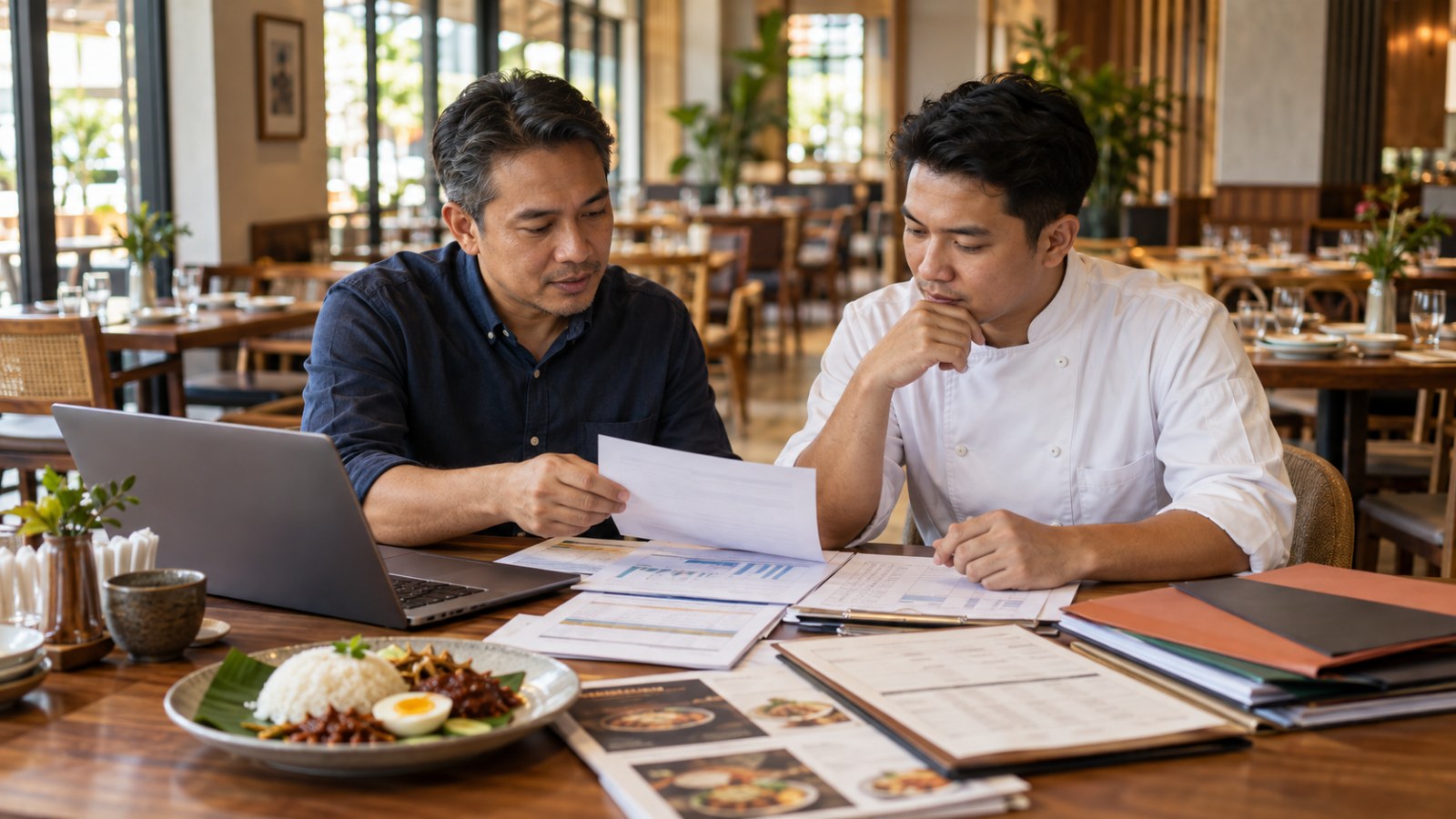
A useful post-season review asks six questions, in this order. Each one needs data the restaurant should decide to collect before the season starts, not after.
1. Reach: how many guests chose it?
Measure the attach rate: the share of bills or covers that included the seasonal item. Total units sold rises simply because traffic rises. The attach rate tells you whether guests actually wanted the dish. Track it by outlet, daypart and week, because seasonal demand rarely moves evenly.
2. Incrementality: was it extra business?
Compare total sales, traffic and average spend with a baseline: the same weeks last year, adjusted for any new outlets, or comparable outlets that did not run the item. Then check what happened to the dishes the seasonal item most resembles. If the signature noodle dropped by almost as much as the seasonal noodle sold, much of the “success” was a menu reshuffle.
3. Contribution: did it make money after everything?
Seasonal items are often costed on paper at launch and never revisited. Recalculate using actual ingredient prices paid, actual yield, spoilage, extra packaging, additional staff hours and any marketing spend. A premium seasonal dish with a strong price can still underperform once unsold stock at the season’s end is written off.
4. Repeat: did guests come back for it?
Seasonal items that return every year can build their own loyal following. NPD’s research on recurring seasonal offers found that a meaningful share of one year’s buyers had bought the same item the previous year. Loyalty or reservation data can show how many guests ordered the item more than once in the season, and how many returned from last year. An item with a growing repeat base deserves more investment than one that relies on first-time curiosity every year.
5. Operational strain: what did it cost the kitchen?
Look at ticket times, complaint rates, staff overtime and service recovery during the season. A dish that slows the pass during peak hours can reduce sales across the whole menu. This cost rarely appears in sales reports, which is why it is often ignored.
6. Afterlife: what happens to the item next?
The final question turns the review into a decision. Every seasonal item should leave the season with a clear status: return unchanged, return reworked, move to the permanent menu, or retire.
Set the Baseline Before the Season Starts
Most seasonal reviews fail because the restaurant only starts measuring once the item is already on sale. Before launch, record:
- A separate POS code for each seasonal item and each set or bundle that includes it, so units are never merged with regular dishes
- The launch date, end date and any outlets excluded, so the season has a clear boundary
- Baseline sales, traffic and average spend for comparable weeks
- Target cost per portion and expected yield for the key seasonal ingredient
- Opening stock, supplier delivery records and planned order quantities
- Staffing plans for peak weeks, so overtime can be compared against plan
Seasonal sourcing also comes with compliance obligations that sit entirely outside performance measurement. In Hong Kong, for example, customs authorities have reminded consumers to buy hairy crabs only from sellers holding the relevant permit, after seizing consignments that lacked health certificates. Keeping supplier and import documentation in order protects guests, and it also gives the restaurant a clean paper trail for later analysis.
What to Do With the Results
The scorecard is most useful when the signals are read together. The table below shows common patterns and what they usually point to.
| What the data shows | What it usually means | Likely decision |
|---|---|---|
| High attach rate, strong margin, growing repeat buyers | A genuine seasonal franchise with its own following | Return next season; protect the format and invest in sourcing |
| High attach rate, but similar regular dishes fell sharply | Mostly cannibalisation rather than new demand | Rework the price or format so it adds to spend instead of replacing it |
| Strong sales, weak margin after waste and overtime | Popular but badly costed or over-ordered | Return with tighter ordering, a revised price or a simpler preparation |
| Steady demand that did not fade after the launch weeks | The item may not need a seasonal label to sell | Test it on the permanent menu |
| Strong opening weeks, then a sharp drop and low repeat | Curiosity-driven; novelty did the work | Retire it, or replace it with a new item next year |
| Good sales but ticket times and complaints rose | The kitchen paid for the sales elsewhere on the menu | Simplify prep or limit it to off-peak dayparts |
Common Mistakes Asian Operators Make With Seasonal Menus
- Calling everything “limited”. When a new limited item appears every few weeks, guests stop believing the urgency. Fewer, better-planned seasons tend to carry more weight.
- Judging the season by the first two weeks. Launch weeks attract curious guests and social media interest. The final weeks show whether demand was real.
- Ignoring sets and bundles. If the seasonal item is sold mainly inside set menus, single-item sales understate its true pull.
- Forgetting the leftovers. Unsold seasonal stock, special packaging and printed collateral are costs of the season and belong in the review.
- Not writing the review down. Teams change. A one-page record of each season’s numbers and decisions saves the next team from repeating the same mistakes.
When a Seasonal Number Becomes a Milestone Worth Documenting
Occasionally, careful seasonal measurement produces a figure that matters beyond the restaurant’s own planning. Kuala Lumpur’s IWC Aquastic sold 16,436 hairy crabs during the 2025 season, and that figure was later recognised as the “Highest Number of Hairy Crabs Sold by a Single Restaurant in 2025”, making the restaurant an Asia Record holder for an achievement completed within a season of roughly four months. The story of how IWC Aquastic turned one hairy crab season into a recognised milestone shows why the structure of a seasonal number matters as much as its size.
That figure was usable because it had a single unit, a single operator and a season with a clear beginning and end. These are the same disciplines the scorecard asks for. They are also what separates a measurable achievement from a marketing claim. Many business awards in Asia assess reputation, nominations or judging panels. A record rests on a number that someone else can check.
The Asia Record verification process starts with a precisely defined claim and a set of conditions, such as dates and units of measurement. Supporting evidence is then reviewed for consistency, measurability and verifiability. For operators wondering how to get an Asia Record for a seasonal milestone, the practical lesson is to define what is being measured before the season starts, then keep the POS reports, supplier invoices and stock records that support it. Restaurant groups with a clearly measurable result can review the official Asia Record application steps to see whether the achievement may qualify for record recognition in Asia.
Asia record certification documents a measured achievement. It does not replace food safety approvals, import health certificates, halal certification or any other regulatory requirement that a seasonal ingredient or menu may need.
The Real Test of a Seasonal Menu
A seasonal menu does not succeed because it sells out. It succeeds when it brings in business the restaurant would not otherwise have had, makes money after its true costs, keeps the kitchen working well and leaves guests waiting for its return. Restaurants that measure those things every season build something more valuable than a single good quarter. They build seasonal traditions that their guests plan around, and the records to show it.