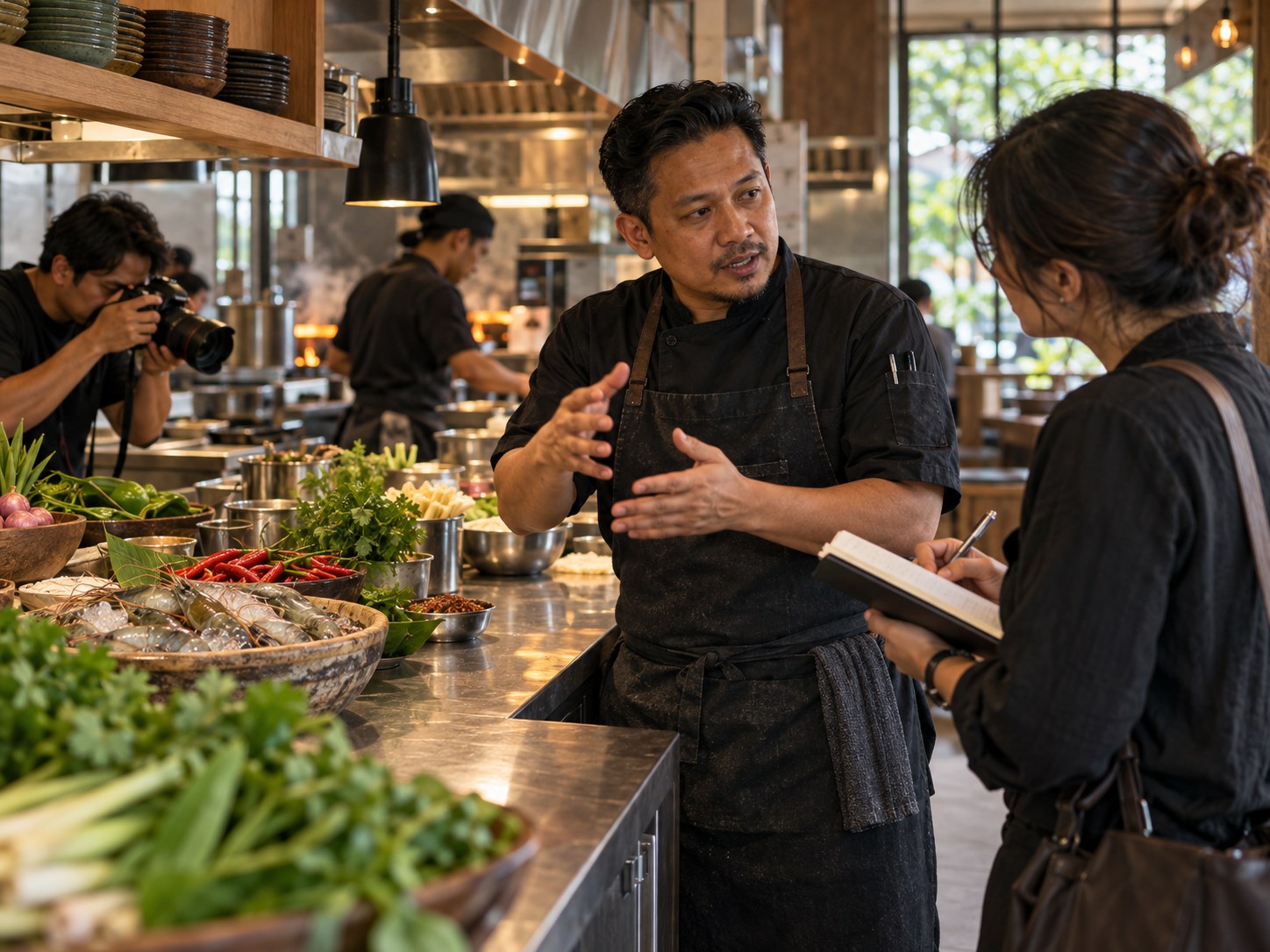
Culinary Entrepreneurship Is Creating New Opportunities for Young Chefs
The global food and hospitality industry is experiencing a new wave of entrepreneurship as more young chefs choose to build their own brands rather than follow traditional career paths. From specialty cafés and artisan bakeries to fine dining restaurants, cloud kitchens, and innovative food startups, culinary professionals are redefining what it means to succeed in the modern food industry.
Driven by changing consumer preferences, digital transformation, and the rapid growth of social media, culinary entrepreneurship has become one of the fastest-growing segments of the hospitality sector. Today’s chefs are no longer viewed solely as skilled cooks—they are innovators, business owners, content creators, and brand builders who are shaping the future of food.
Industry experts note that the barriers to launching a food business have become significantly lower than they were a decade ago. With access to online ordering platforms, delivery services, digital payment systems, and social media marketing, aspiring entrepreneurs can introduce their culinary concepts to customers without the need for large-scale restaurant investments.
Many successful food businesses now begin as small ventures operating from home kitchens, food trucks, pop-up restaurants, or shared commercial kitchens before expanding into full-scale operations. This flexible business model has enabled young chefs to test creative ideas while building loyal customer communities.
Social media has become one of the most influential tools for culinary entrepreneurs. Platforms featuring short-form videos, food photography, and storytelling allow chefs to showcase their creativity, engage directly with audiences, and establish distinctive brand identities. Consumers today are not only purchasing meals—they are connecting with the stories, values, and personalities behind each brand.
At the same time, changing consumer lifestyles continue to create new market opportunities. Demand for healthier dining options, plant-based cuisine, artisan desserts, premium coffee, specialty beverages, sustainable ingredients, and culturally inspired fusion concepts has encouraged chefs to develop innovative products that reflect evolving customer expectations.
However, culinary talent alone is no longer enough to build a successful business.
Modern food entrepreneurs must possess a broad range of skills that extend beyond the kitchen. Business planning, financial management, marketing, customer experience, supply chain coordination, menu engineering, digital technology, and team leadership have all become essential components of running a competitive culinary enterprise.
Technology is also playing an increasingly important role in restaurant operations. Smart inventory systems, online reservation platforms, customer relationship management (CRM) tools, digital payment solutions, and data analytics help entrepreneurs improve efficiency, reduce operational costs, and make more informed business decisions.
Meanwhile, Asia’s growing influence on the global culinary landscape has created exciting opportunities for young chefs to expand internationally. Through international culinary competitions, food exhibitions, hospitality partnerships, and cross-cultural collaborations, many aspiring chefs are introducing authentic Asian flavors to global audiences while gaining valuable international experience.
As the industry continues to evolve, culinary education is adapting to meet these new demands. Leading culinary institutions are expanding their programs to include entrepreneurship, hospitality management, branding, digital marketing, sustainability, innovation, and food business development alongside classical culinary training. This integrated approach prepares graduates to become both skilled chefs and successful entrepreneurs.
Asia Culinary Institute believes that tomorrow’s culinary professionals must embrace lifelong learning, creativity, and business innovation. By combining technical excellence with entrepreneurial thinking, students are empowered to transform their passion for food into sustainable and successful careers.
Looking ahead, culinary entrepreneurship is expected to continue driving innovation across the global food industry. As consumers seek unique dining experiences, authentic flavors, and meaningful brand connections, young chefs who combine creativity, business acumen, and adaptability will be well positioned to lead the next generation of culinary excellence and inspire the future of gastronomy.