AI Is Reshaping the Culinary Industry: Why Tomorrow’s Chefs Need More Than Cooking Skills
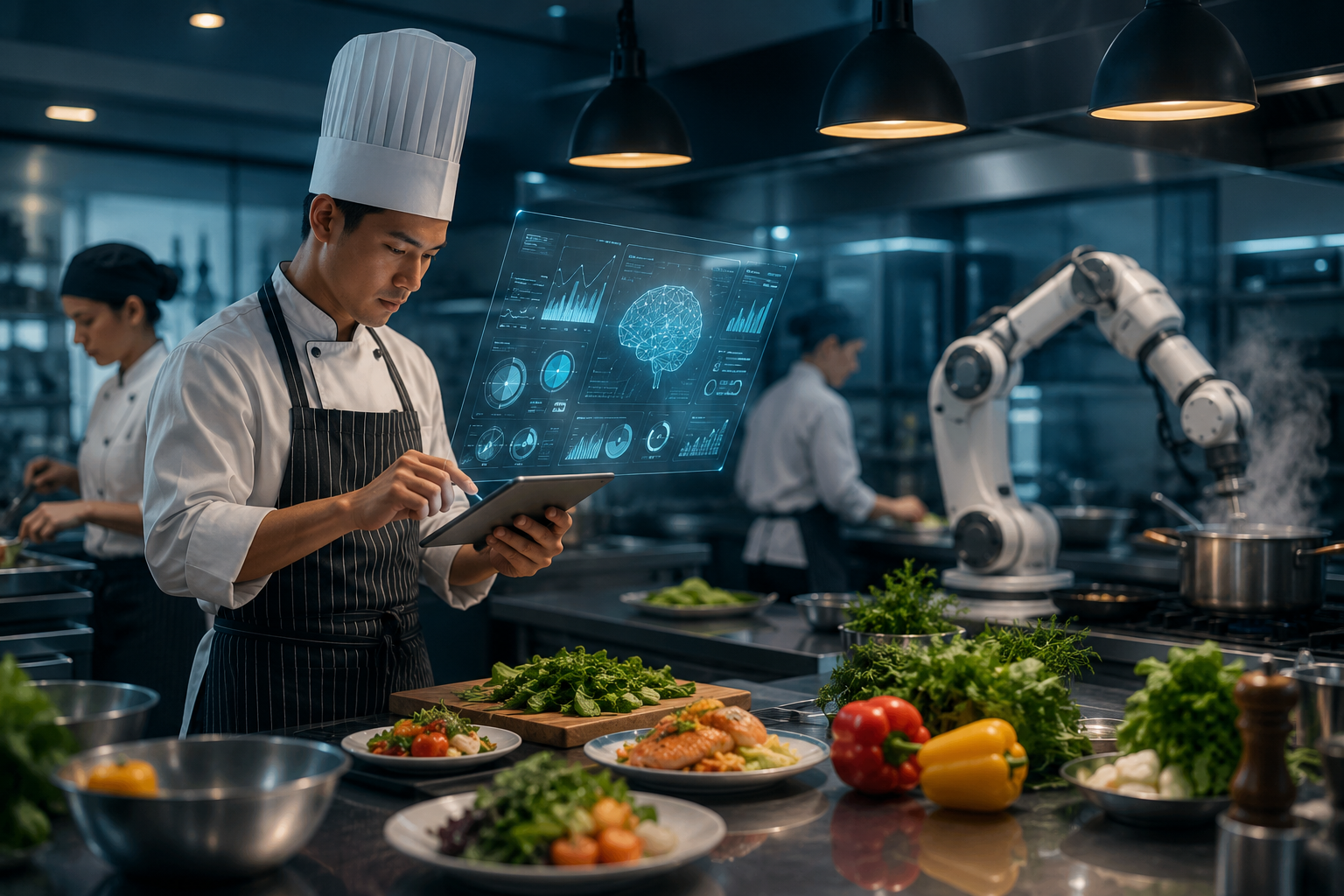
As artificial intelligence (AI) continues to transform industries worldwide, the culinary sector is entering a new era of innovation. From smart kitchen equipment and automated cooking systems to AI-driven menu engineering and inventory management, technology is rapidly changing the way restaurants and hospitality businesses operate. While these advancements are improving efficiency, industry experts agree that the chefs of tomorrow will need far more than exceptional cooking skills to succeed.
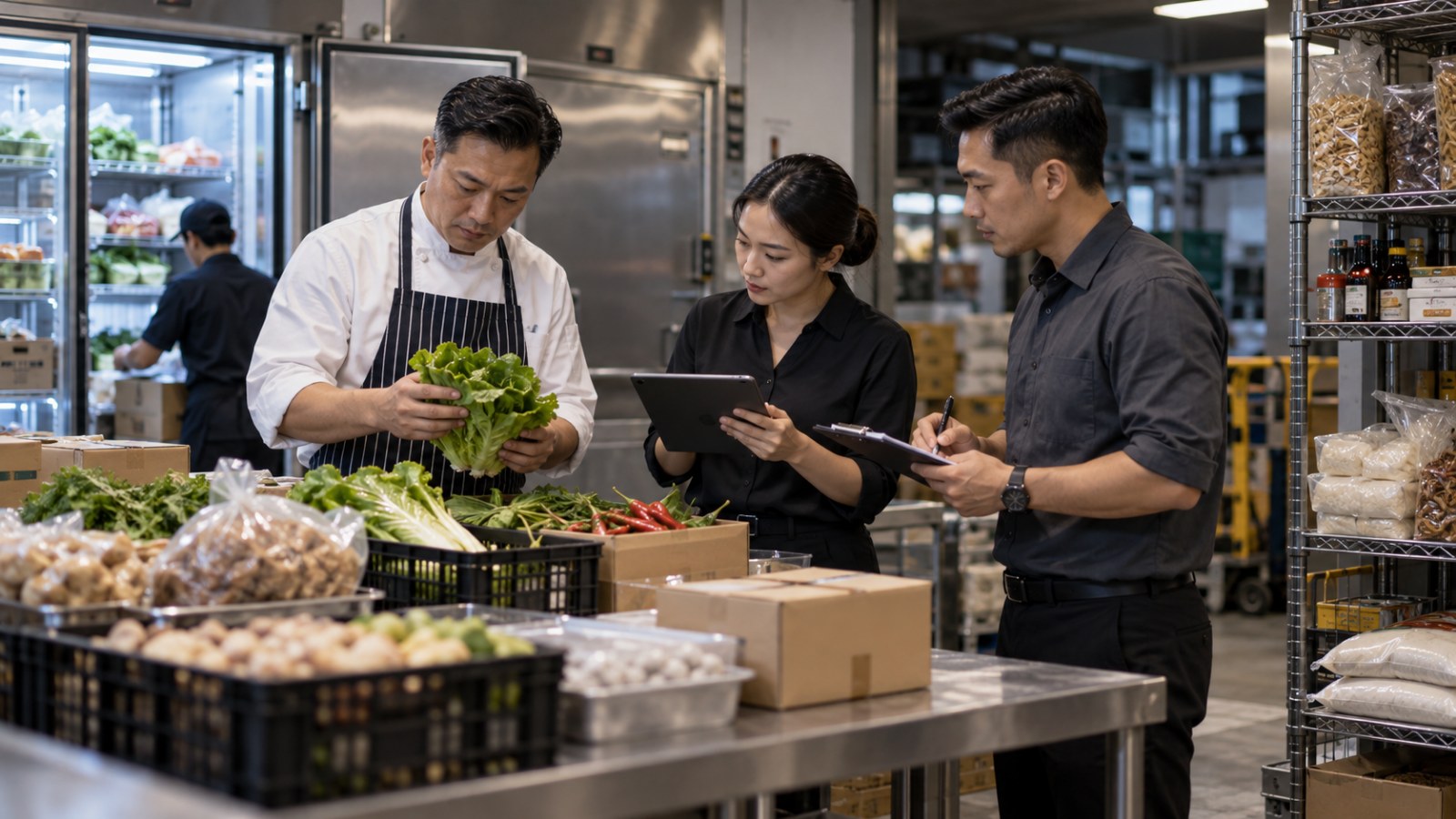
For decades, professional chefs were primarily evaluated by their culinary techniques, knife skills, creativity, and ability to execute dishes consistently. Today, however, the role of a chef has evolved significantly. Modern culinary professionals are expected to understand technology, sustainability, business operations, customer experience, and innovation, making them valuable contributors beyond the kitchen.
Across the global hospitality industry, restaurants are increasingly adopting AI-powered solutions to streamline daily operations. Intelligent systems can analyze customer preferences, forecast ingredient demand, reduce food waste, optimize purchasing decisions, and even recommend menu improvements based on sales data. Smart kitchen appliances are also helping chefs maintain greater consistency in cooking temperatures, timing, and food quality.
Despite these technological advancements, AI cannot replace the qualities that define outstanding chefs.
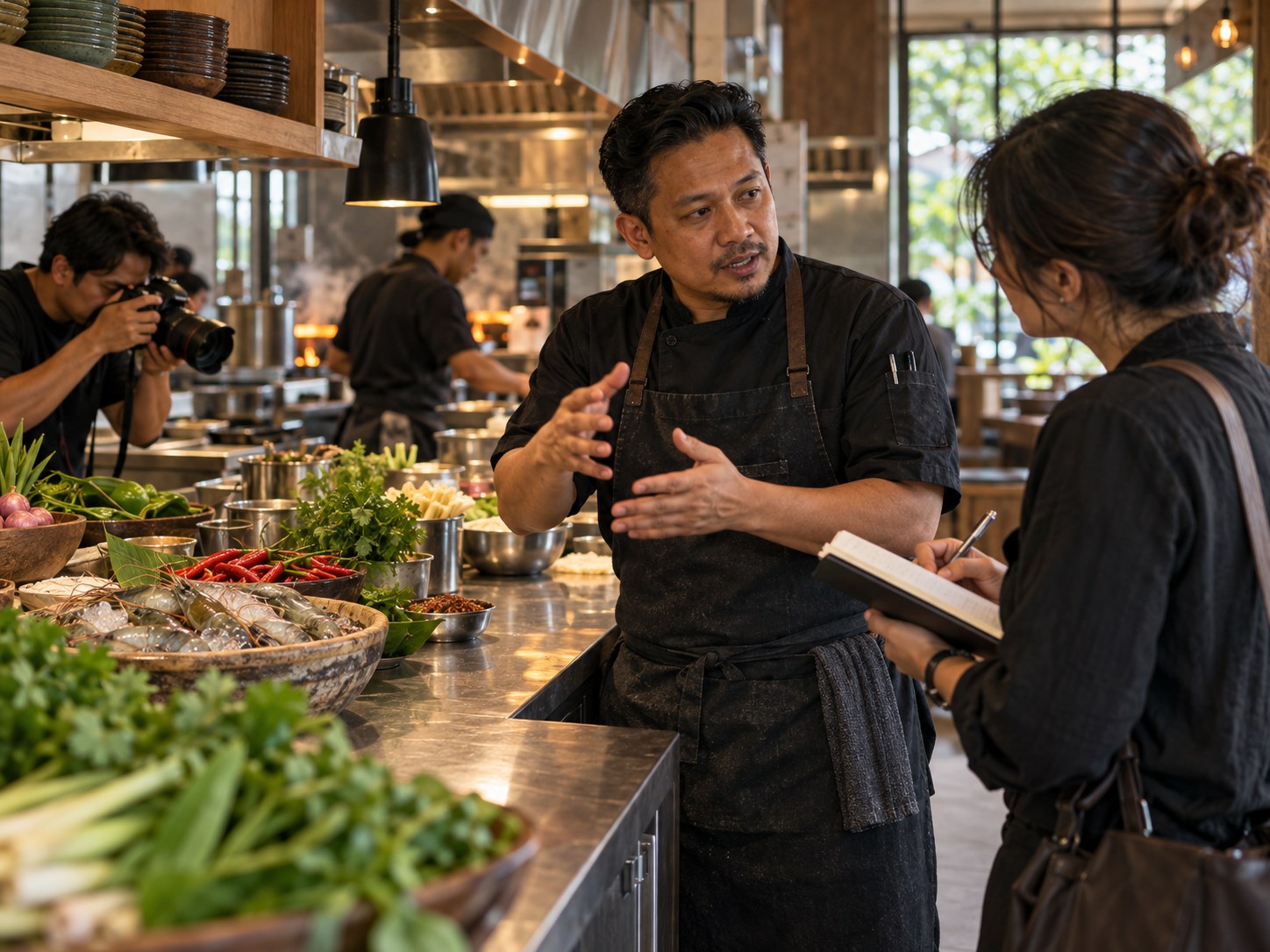
Creativity, intuition, emotional intelligence, and the ability to tell stories through food remain uniquely human strengths. A memorable dining experience is not created solely by algorithms or automation—it is shaped by a chef’s passion, cultural understanding, artistic vision, and personal connection with guests.
This shift is redefining culinary education around the world.
Leading culinary institutions are expanding their curricula beyond classical cooking techniques to include food innovation, hospitality management, entrepreneurship, digital marketing, sustainable gastronomy, nutrition, and emerging technologies. The objective is to prepare graduates who are adaptable, forward-thinking, and capable of thriving in an increasingly dynamic food industry.
At Asia Culinary Institute, the future of culinary education is built on the belief that successful chefs must become lifelong learners. Technical excellence remains fundamental, but it is equally important for students to develop leadership, communication, problem-solving, and business management skills that enable them to grow throughout their careers.
Sustainability is another critical focus shaping the next generation of culinary professionals. As consumers become more environmentally conscious, restaurants are embracing locally sourced ingredients, minimizing food waste, improving energy efficiency, and adopting sustainable kitchen practices. Future chefs will be expected not only to create exceptional dishes but also to contribute to a more responsible and sustainable food ecosystem.
Meanwhile, Asia continues to strengthen its position as one of the world’s most influential culinary regions. The international popularity of Asian cuisine, combined with the rapid growth of tourism, luxury hospitality, specialty cafés, artisan bakeries, and fine dining, has created unprecedented career opportunities for aspiring chefs. Culinary professionals are no longer limited to restaurant kitchens—they can pursue careers in food innovation, product development, hospitality management, culinary consulting, media, education, and entrepreneurship.
Industry leaders believe that tomorrow’s most successful chefs will be those who embrace both tradition and innovation. They will preserve culinary heritage while leveraging technology to enhance efficiency, improve guest experiences, and drive continuous innovation.
Artificial intelligence will undoubtedly continue transforming professional kitchens, but it will never replace the human creativity, craftsmanship, and emotional connection that define truly remarkable cuisine.
As the culinary industry enters a new chapter, tomorrow’s chefs must be prepared to master not only the art of cooking but also the skills required to lead, innovate, and inspire. Those who embrace continuous learning, technological advancement, and global perspectives will be best positioned to shape the future of gastronomy and elevate Asia’s culinary excellence on the world stage.