Why Southeast Asian Cuisine Is Becoming a Global Culinary Force
Southeast Asian cuisine is no longer simply a regional favourite. From the street food stalls of Bangkok and Kuala Lumpur to contemporary restaurants in London, New York, Tokyo and beyond, the flavours of Southeast Asia are becoming an increasingly influential part of global food culture.
Known for bold flavours, diverse ingredients and centuries of culinary traditions, the region’s food is attracting growing attention from chefs, restaurateurs and diners around the world. What was once considered relatively niche in many international markets is now emerging as a major culinary force.
A Region Defined by Extraordinary Culinary Diversity
One of Southeast Asian cuisine’s greatest strengths is its diversity.
Malaysia brings together Malay, Chinese, Indian, Peranakan and indigenous culinary traditions. Thailand is celebrated for its sophisticated balance of sweet, sour, salty and spicy flavours. Vietnam is known for fresh herbs, broths and delicate combinations of ingredients, while Indonesia offers an extraordinary variety of regional dishes shaped by spices, grilling and slow cooking.
Singapore’s multicultural food culture, the Philippines’ distinctive combination of indigenous and international influences, and the unique culinary traditions of Cambodia, Laos and Myanmar further demonstrate the remarkable depth of the region.
Rather than representing a single style of cooking, Southeast Asian cuisine is a collection of culinary identities shaped by geography, migration, trade and generations of cultural exchange.
Bold Flavours That Appeal to Global Diners
Flavour is one of the biggest reasons Southeast Asian food continues to gain international popularity.
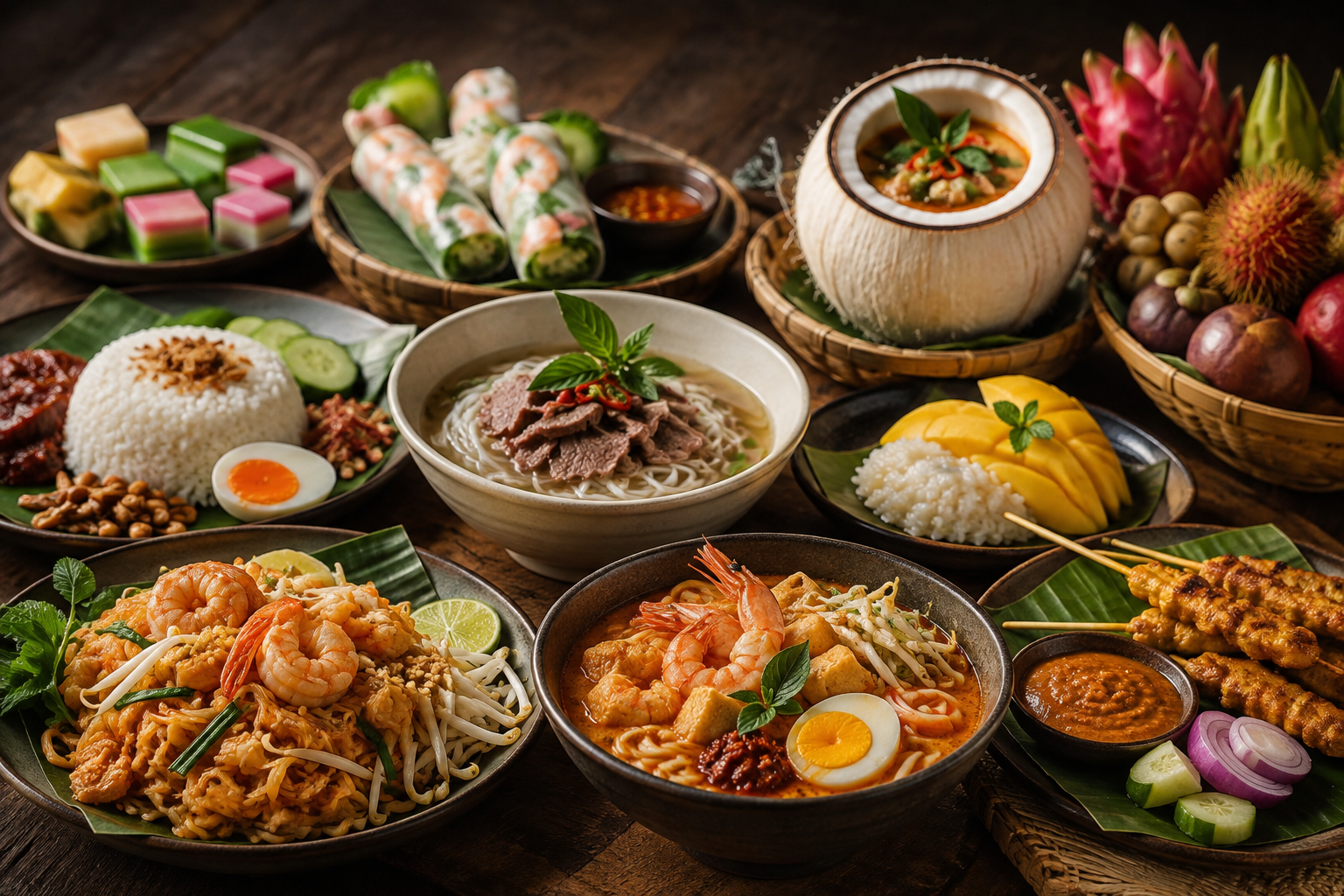
Ingredients such as lemongrass, coconut milk, pandan, chilli, tamarind, turmeric, galangal, fish sauce and fermented pastes create distinctive combinations of aroma, texture and taste.
Dishes such as satay, nasi lemak, pho, pad Thai, rendang and laksa demonstrate how multiple flavour profiles can coexist within a single dish.
For diners increasingly interested in discovering more adventurous and authentic food experiences, Southeast Asian cuisine offers enormous variety.
Street Food Becomes a Global Culinary Inspiration
Street food has always been at the heart of Southeast Asia’s culinary identity.
Hawker centres, night markets and roadside stalls have preserved recipes and cooking techniques for generations while making great food accessible to communities.
Today, these humble dishes are inspiring chefs far beyond the region.
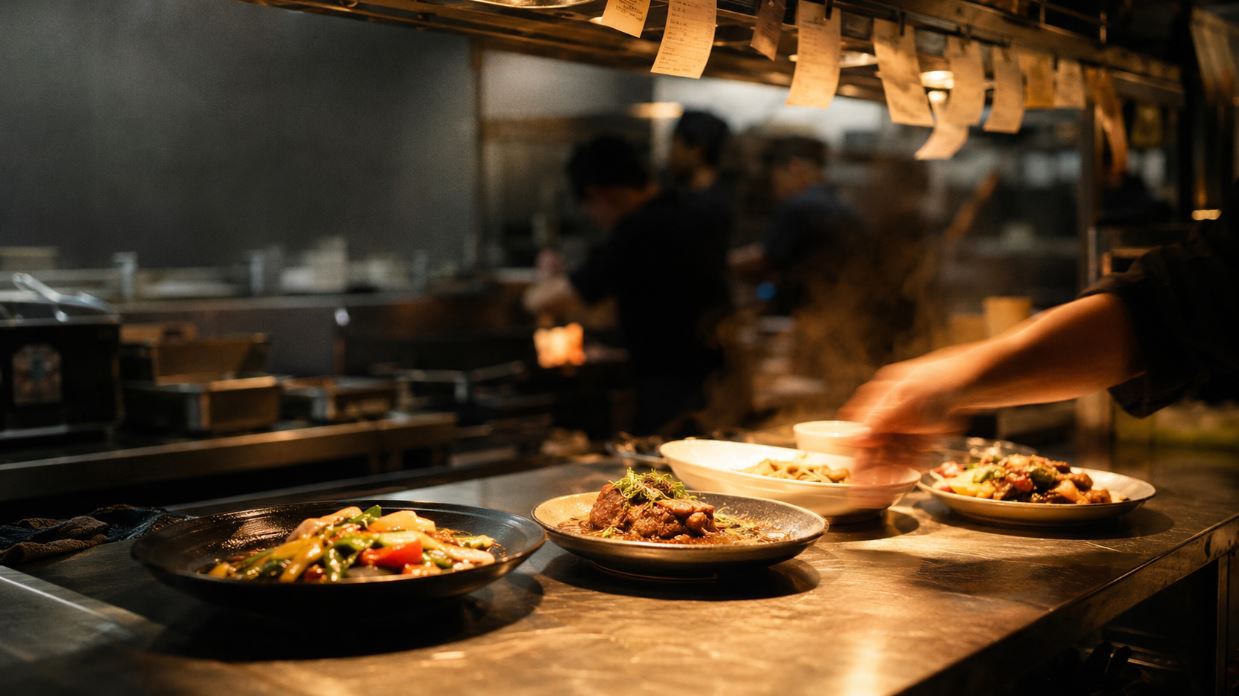
Traditional street foods are increasingly appearing in contemporary restaurants, where chefs reinterpret familiar recipes through modern presentation, premium ingredients and innovative culinary techniques.
This movement has helped transform perceptions of Southeast Asian food, demonstrating that a dish does not need to originate in a fine-dining kitchen to possess culinary sophistication.
Tradition Meets Modern Gastronomy
A new generation of chefs is also helping Southeast Asian cuisine reach wider audiences.
Rather than abandoning traditional recipes, many are studying their cultural origins and reinterpreting them for contemporary dining.
Local herbs, indigenous ingredients, traditional fermentation methods and forgotten recipes are being incorporated into tasting menus and modern restaurant concepts.
The result is a new culinary identity that respects heritage while embracing creativity.
This balance between tradition and innovation is increasingly positioning Southeast Asian cuisine alongside other globally established culinary traditions.
Food Tourism Is Bringing the World to Southeast Asia
Food has also become an important reason for travellers to explore Southeast Asia.
Bangkok, Kuala Lumpur, Penang, Singapore, Ho Chi Minh City, Hanoi, Jakarta and other destinations are increasingly recognised not only for their attractions but also for their distinctive culinary experiences.
Travellers are seeking authentic dishes, visiting traditional markets, exploring local restaurants and learning about the stories behind regional ingredients and cooking methods.
This connection between food and travel is strengthening Southeast Asia’s position as one of the world’s most exciting culinary destinations.
Local Ingredients Are Finding Global Audiences
The international rise of Southeast Asian cuisine is also creating greater awareness of regional ingredients.
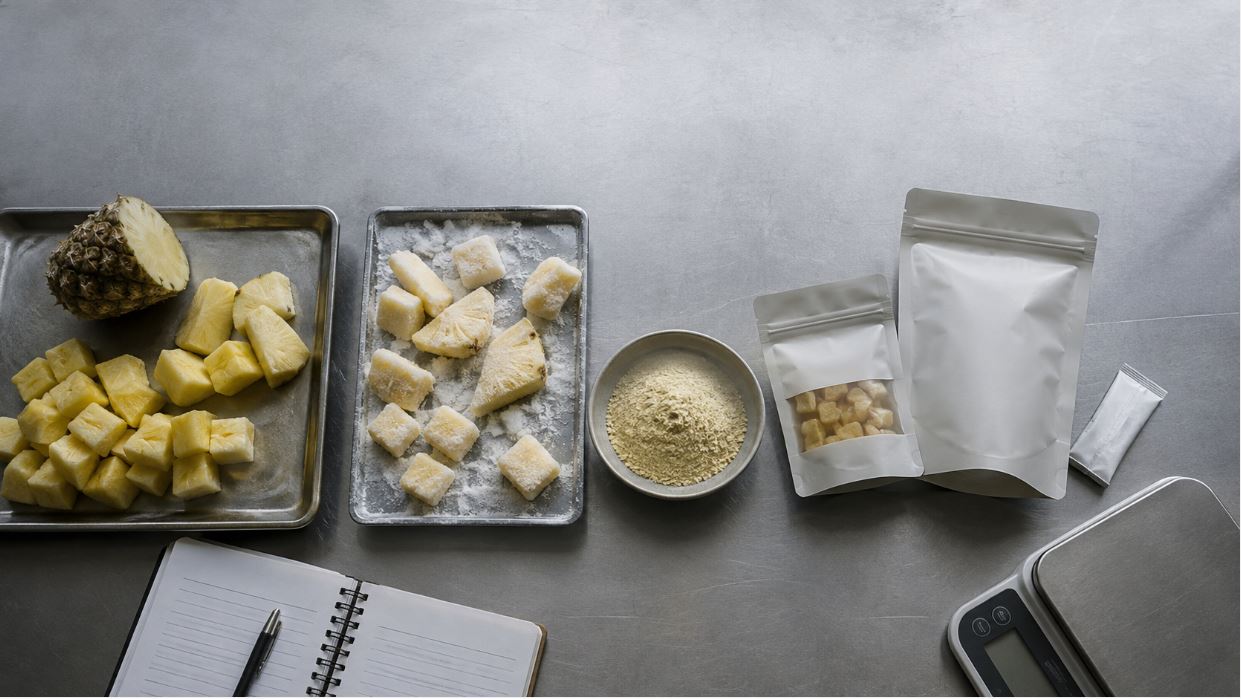
Pandan, sambal, coconut, durian, palm sugar, tropical fruits, spices and fermented ingredients are increasingly appearing in international kitchens and contemporary food products.
For chefs, these ingredients provide opportunities to create new flavours. For Southeast Asian producers and food businesses, growing international interest can open doors to new markets and collaborations.
Food culture is therefore becoming more than cultural expression—it is also contributing to the region’s wider food economy.
The Next Chapter of Asian Cuisine
The global rise of Southeast Asian cuisine is being driven by more than individual dishes. It reflects a broader appreciation for authenticity, cultural storytelling, craftsmanship and distinctive flavours.
From generations-old street food traditions to ambitious contemporary restaurants, Southeast Asia possesses a culinary landscape that is difficult to replicate anywhere else in the world.
As chefs continue to reinterpret traditional recipes, food businesses introduce regional flavours to new markets, and travellers seek deeper culinary experiences, Southeast Asian cuisine is positioned to play an increasingly influential role in shaping the future of global dining.
Its greatest strength may ultimately lie in its ability to evolve without losing the traditions that made it distinctive in the first place.
To explore more recognised achievements in Asia’s culinary, food and beverage industries, visit www.asiarecord.com.